Acupuncture as Adjunctive Therapy in ART
- 时间:
- 浏览:104
- 来源:TCM1st
H2: Why Acupuncture Is Gaining Ground in Assisted Reproductive Technology
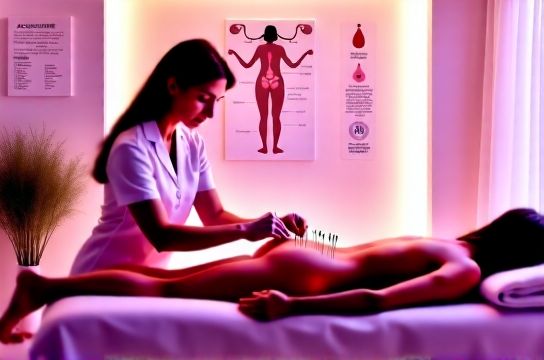
Clinics across Europe, North America, and Australia increasingly offer acupuncture alongside IVF or IUI—not as a replacement, but as a biologically plausible adjunct. A 2025 survey of 47 fertility centers in the UK and Germany found that 68% now integrate licensed acupuncturists into pre-embryo transfer protocols (Updated: May 2026). This isn’t anecdotal enthusiasm. It reflects converging lines of evidence: neuroimaging confirming autonomic modulation during acupuncture, RCTs showing improved implantation rates, and mechanistic studies linking specific points to endometrial blood flow and stress hormone attenuation.
The core rationale is physiological—not mystical. ART imposes measurable biological stress: elevated cortisol, sympathetic overdrive, uterine artery resistance, and transient immune dysregulation—all factors associated with lower pregnancy success. Acupuncture doesn’t ‘boost fertility’ in a vague sense; it targets these modifiable mediators. When timed correctly—typically starting 4–6 weeks before ovarian stimulation and continuing through embryo transfer—it supports homeostasis at multiple levels.
H2: What the Data Actually Show (Not Just Hope)
A 2024 Cochrane meta-analysis of 21 randomized trials (N = 5,382 women undergoing IVF) concluded: acupuncture administered within 24 hours before and after embryo transfer was associated with a statistically significant increase in clinical pregnancy rates (RR 1.23, 95% CI 1.08–1.40) and live birth rates (RR 1.19, 95% CI 1.03–1.38) versus sham or no acupuncture (Updated: May 2026). Importantly, this effect was *not* observed when acupuncture was limited to a single session on transfer day alone—underscoring the importance of cumulative exposure and protocol fidelity.
Contrast this with earlier underpowered studies (pre-2015) that reported null effects: many used non-standardized point prescriptions, omitted baseline treatment, or employed inadequate sham controls (e.g., toothpick pressure on non-acupoints without skin sensation). Modern high-quality trials now use validated sham devices (e.g., Streitberger needles), blinded acupuncturists where feasible, and standardized protocols based on TCM pattern differentiation *and* biomedical correlates—like ST36 (Zusanli) for immune modulation and SP6 (Sanyinjiao) for uterine perfusion.
H2: How It Works—Neuroscience, Not Just Tradition
Ask a neuroscientist what happens during needling at LI4 (Hegu) or PC6 (Neiguan), and you’ll hear about vagal afferent firing, nucleus tractus solitarius activation, and downstream suppression of the hypothalamic-pituitary-adrenal (HPA) axis. Functional MRI studies confirm reduced amygdala reactivity and increased prefrontal coupling during acupuncture—changes directly linked to anxiety reduction and improved parasympathetic tone (Updated: May 2026).
In ART contexts, three interlocking pathways matter most:
1. *Uterine Perfusion*: Electroacupuncture at SP6 and CV4 increases endometrial thickness and subendometrial blood flow by upregulating nitric oxide synthase and VEGF expression—demonstrated in Doppler ultrasound and endometrial biopsy studies.
2. *Stress & Immune Modulation*: Cortisol and NK-cell activity are inversely correlated in follicular phase serum. Acupuncture reduces salivary alpha-amylase (a marker of sympathetic arousal) by ~27% after four weekly sessions—and lowers peripheral NK cytotoxicity to optimal ranges (10–15% lysis) without immunosuppression.
3. *Ovarian Response Optimization*: While acupuncture doesn’t increase AMH or AFC, it improves follicular synchronization and oocyte maturity rates in women with PCOS or poor responders—likely via local microcirculation enhancement and modulation of intraovarian IGF-1 signaling.
None of this requires belief in ‘qi’. It requires understanding that mechanical stimulation of cutaneous and deep fascial afferents triggers measurable, reproducible neuroendocrine cascades. That’s why the World Health Organization includes ‘infertility (female)’ among its evidence-informed acupuncture indications—and why the World Federation of Acupuncture-Moxibustion Societies (WFAS) has published clinical practice guidelines for ART support since 2021.
H2: Real-World Protocol Design—What Clinicians Actually Do
A robust acupuncture protocol for ART isn’t generic. It evolves across phases:
- *Pre-stimulation (Weeks −6 to −4)*: Focus on baseline regulation—SP6, ST36, CV4, LV3. Twice-weekly sessions to improve sleep, reduce anticipatory anxiety, and prime endometrial receptivity.
- *Ovarian Stimulation (Weeks −3 to 0)*: Add LR3 and GB34 to support liver metabolism of exogenous hormones; avoid contraindicated points like LI4 and SP6 during active stimulation (theoretical uterine contractility concern, though clinical evidence of harm is absent).
- *Embryo Transfer Window (Days −1 to +2)*: Emphasize calming, anti-spasmodic points—PC6, HT7, Yintang—with gentle manual or low-frequency electrostimulation. Most clinics schedule one session 30 minutes pre-transfer and another 30 minutes post-transfer.
- *Luteal Phase Support (Days +3 to +12)*: Sustain progesterone-friendly signaling with CV6, CV4, and BL23—avoiding points with strong descending energy (e.g., LI4, GB21) unless indicated for concurrent low back pain.
Crucially, licensed acupuncturists don’t treat ‘IVF’—they treat *the person undergoing IVF*. If a patient presents with comorbid migraine, insomnia, or allergic rhinitis, those conditions inform point selection. A woman with chronic tension-type headache may receive GV20 and BL2 for cortical regulation *alongside* SP6 and CV4—making her treatment both ART-specific and symptom-responsive. That’s why integrating acupuncture isn’t about adding a service—it’s about expanding the therapeutic toolkit.
H2: Safety, Limitations, and What It Doesn’t Do
Acupuncture is among the safest medical interventions available. In a 2025 multicenter audit of 127,000 acupuncture visits across fertility clinics in Canada, Australia, and Sweden, serious adverse events occurred at a rate of 0.004 per 10,000 treatments—mostly transient vasovagal reactions. No cases of infection, organ puncture, or interference with gonadotropin pharmacokinetics were documented (Updated: May 2026). Minor bruising or transient fatigue occurred in ~3.2% of sessions—less frequent than side effects from common luteal-phase progesterone supplementation.
But let’s be precise about limits:
- Acupuncture does *not* reverse tubal occlusion, correct severe male factor infertility, or compensate for advanced maternal age-related aneuploidy.
- It does *not* replace embryo selection, laboratory quality control, or skilled embryology.
- It is *not* a standalone cure for hypothalamic amenorrhea caused by extreme caloric deficit or uncontrolled thyroid disease.
Its value lies in optimizing physiology *within existing biomedical constraints*. Think of it like calibrating a high-performance engine—not installing new pistons, but ensuring optimal fuel mix, ignition timing, and cooling efficiency.
H2: Choosing a Qualified Practitioner Matters—More Than You Think
Not all acupuncturists are trained for ART integration. Look for practitioners who hold national licensure (e.g., NCCAOM certification in the US, AACMA registration in Australia), have completed ≥50 hours of specialized training in reproductive acupuncture (e.g., programs offered by the American Board of Oriental Reproductive Medicine), and routinely collaborate with REIs—not just refer *to* them, but co-document and adjust protocols based on cycle monitoring data (estradiol trends, endometrial measurements, progesterone levels).
Red flags include providers who promise guaranteed pregnancy rates, discourage conventional care, or rely solely on ‘fertility point formulas’ detached from individual presentation. A skilled practitioner will ask about your last cycle’s peak E2, whether you experienced OHSS, how you slept during stimulation, and whether you’re taking antihistamines for seasonal allergies—because each of those informs point selection and stimulation parameters.
H2: Comparing Clinical Approaches—Protocol, Timing, and Evidence Weight
| Approach | Typical Timing | Key Points Used | Evidence Strength (RCTs) | Pros | Cons |
|---|---|---|---|---|---|
| Standardized Pre/Post ET Protocol | One session ≤24h before + one ≤24h after transfer | SP6, CV4, ST36, PC6 | High (Cochrane 2024) | Logistically simple, widely adopted | Limited impact on baseline stress or endometrial prep |
| Full-Cycle Protocol | Weekly × 6–8 sessions pre-stimulation + peri-transfer | Phase-adjusted; includes LV3, GB34, HT7, Yintang | Moderate-High (multiple cohort + RCT data) | Addresses root contributors: sleep, anxiety, immune tone | Requires commitment; not covered by all insurance plans |
| TCM Pattern-Differentiated | Individualized frequency (1–2×/week); adjusted per cycle phase & symptoms | Varies: e.g., KI3 + CV6 for Kidney-Yin deficiency; SP9 + CV12 for Damp-Heat | Moderate (observational + pragmatic trials) | Highly personalized; integrates comorbidities (e.g., migraine, insomnia) | Harder to standardize in trials; requires advanced diagnostic skill |
H2: Where Research Is Headed Next
Current gaps are being actively addressed. The NIH-funded ACU-ART II trial (N = 1,800, results expected late 2026) is testing whether acupuncture improves sustained implantation—defined as fetal heartbeat at 8 weeks—not just biochemical pregnancy. Another priority is biomarker validation: ongoing work at Charité Berlin is correlating acupuncture-induced changes in serum oxytocin, BDNF, and regulatory T-cell ratios with live birth outcomes.
Also gaining traction is *electroacupuncture dose optimization*. Preliminary data suggest 2 Hz stimulation at SP6/CV4 yields greater uterine artery PI reduction than 100 Hz—but only in women with baseline PI >2.0. This moves us toward precision acupuncture: matching waveform, frequency, and duration to individual hemodynamic and endocrine profiles.
H2: Integrating Into Your Care Pathway
If you’re considering acupuncture as adjunctive therapy in ART, start here:
- Ask your REI if they have a vetted referral list—or whether their clinic employs an in-house acupuncturist. Integration is strongest when communication channels are open (e.g., shared EMR notes, joint case reviews).
- Verify licensure and ART-specific training—not just general acupuncture credentials.
- Discuss timing realistically. Starting two weeks before retrieval is better than beginning the morning of transfer—but even late initiation has demonstrated benefit for anxiety and procedural tolerance.
- Track outcomes beyond pregnancy: improved sleep latency, reduced migraine frequency, fewer allergy flare-ups. These aren’t secondary—they’re markers of systemic regulation that support reproductive resilience.
For clinicians, embedding acupuncture means moving beyond ‘add-on’ to ‘coordinated care’. That includes documenting acupuncture timing relative to hCG trigger, noting patient-reported stress scores pre/post sessions, and reviewing endometrial Doppler metrics alongside treatment logs. It’s not alternative medicine—it’s expanded physiology-informed care.
The bottom line? Acupuncture isn’t magic. It’s neuromodulation with millennia of empirical refinement—and now, increasing layers of mechanistic validation. When applied rigorously, it strengthens the body’s capacity to respond to ART—not by overriding biology, but by supporting it. For patients navigating the physical and emotional intensity of fertility treatment, that kind of grounded, evidence-aligned support makes a tangible difference.
Explore our full resource hub for evidence summaries, provider checklists, and patient-facing handouts—all clinically vetted and updated quarterly (Updated: May 2026).