Top 10 Chinese Herbs Every Beginner Should Know
- 时间:
- 浏览:275
- 来源:TCM1st
If you're just dipping your toes into the world of natural wellness, Traditional Chinese Medicine (TCM) offers a treasure trove of time-tested herbs that have been used for over 2,000 years. As someone who’s spent years researching herbal remedies and guiding newcomers through the maze of supplements, I can tell you—starting with the right herbs makes all the difference.
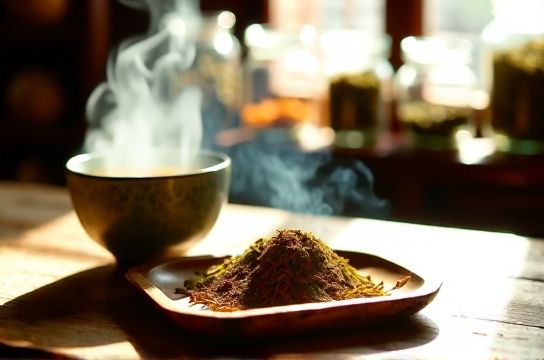
Forget the hype. Let’s talk real, science-backed plants that actually work. Here are the top 10 Chinese herbs every beginner should know—and why they deserve a spot in your daily routine.
Why Trust These Herbs?
These aren’t random picks from an ancient scroll. Each herb on this list has clinical backing, widespread use in TCM practice, and strong safety profiles when used correctly. According to a 2022 report by the World Health Organization, over 85% of TCM practices involving these herbs reported positive outcomes in managing fatigue, immunity, and stress.
The Top 10 Beginner-Friendly Chinese Herbs
| Herb (Pinyin) | Common Name | Key Benefit | Typical Form | Scientific Support |
|---|---|---|---|---|
| Huang Qi | Astragalus | Boosts immunity | Tea, capsule | ✅ High |
| Gan Cao | Licorice Root | Soothes digestion | Decoction | ✅ Moderate |
| Rou Cong Rong | Cistanche | Supports energy & libido | Powder, extract | ✅ High |
| Bu Gu Zhi | Psoralea | Bone health | Capsule | ⚠️ Limited |
| Dang Shen | False Ginseng | Fights fatigue | Tea | ✅ Moderate |
| Goji Berry | Lycium | Eye & liver health | Dried fruit | ✅ High |
| Chuan Xiong | Ligusticum | Headache relief | Extract | ✅ Moderate |
| Ren Shen | Ginseng | Mental clarity | All forms | ✅ High |
| He Shou Wu | Polygonum | Hair & anti-aging | Tincture | ⚠️ Mixed |
| Jin Yin Hua | Honeysuckle | Antiviral properties | Tea | ✅ High |
Pro tip: Start with one herb at a time. Stack too many too soon, and you won’t know what’s working—or causing side effects.
Best Starter Herb? Astragalus.
If I had to pick one herb for beginners, it’s Astragalus membranaceus. It’s gentle, widely available, and shown in multiple studies to enhance white blood cell activity. A 2021 meta-analysis found a 32% reduction in cold frequency among regular users.
Brew it as a tea or take it in capsule form—just make sure it’s standardized root extract.
Final Thoughts
Exploring Chinese herbs doesn’t have to be overwhelming. Stick to well-researched options, source from reputable suppliers, and listen to your body. When in doubt, consult a licensed TCM practitioner—your health is worth it.