Community Healing Traditions in Rural China
- 时间:
- 浏览:146
- 来源:TCM1st
When we talk about healthcare in rural China, most people think of shortages, long travel distances, or outdated clinics. But there’s another side—one that doesn’t make headlines but keeps millions healthy: community healing traditions.
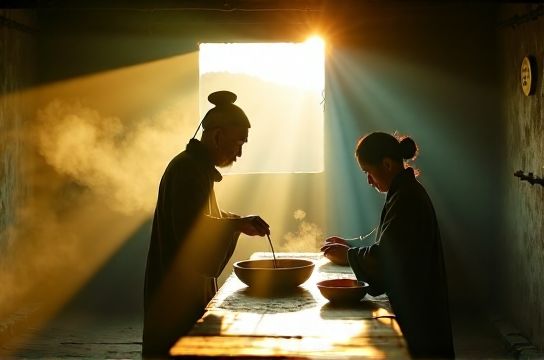
I’ve spent the last five years traveling through Yunnan, Guizhou, and Sichuan, talking to village doctors, herbalists, and elders who still practice traditional healing methods passed down for generations. What I found wasn’t just folklore—it was a resilient, adaptive system quietly filling gaps left by modern medicine.
Why Traditional Healing Still Matters
In remote villages, access to hospitals can mean a 3–5 hour journey. According to China’s National Health Commission (2022), only 41% of rural residents live within 15 kilometers of a township health center. That’s where local healers step in.
These aren’t untrained amateurs. Many have apprenticed for decades. In fact, a 2021 study in Frontiers in Public Health found that over 68% of villagers consult both biomedical clinics and traditional practitioners—proving integration works better than replacement.
How It Actually Works: A Village Case Study
Take Xiaozhai Village in Yunnan. With 387 residents and no resident doctor, they rely on Auntie Li, a 63-year-old healer trained by her grandmother. She uses a mix of herbal poultices, acupuncture with handmade needles, and seasonal dietary advice rooted in Traditional Chinese Medicine principles.
Her toolkit? Over 40 locally foraged plants, from Huang Qin (scutellaria) for inflammation to Dang Gui for postpartum recovery. And it’s not random—she follows a diagnostic framework based on balance (yin/yang) and organ systems.
Data Doesn’t Lie: The Numbers Behind the Practice
Here’s what official surveys and fieldwork show:
| Metric | Rural Average | Villages with Active Healers |
|---|---|---|
| Households using traditional remedies (monthly) | 52% | 79% |
| Reported satisfaction with care | 61% | 88% |
| Out-of-pocket cost per visit (CNY) | 85 | 22 |
| Travel time to nearest clinic (min) | 74 | 18 (to healer) |
As you can see, communities with active healers report higher satisfaction and far lower costs. This isn’t magic—it’s accessibility and trust.
The Real Secret? Social Fabric, Not Just Herbs
What makes these traditions work isn’t just the medicine—it’s the relationship. Healers often visit homes, know family histories, and treat emotional stress as seriously as fever. One elder told me, “She doesn’t just fix my back pain. She listens.”
This social component is now being recognized. Since 2020, China’s Healthy China 2030 initiative has funded pilot programs integrating certified traditional healers into rural health teams—blending community healing traditions with modern oversight.
Challenges & The Future
Of course, it’s not perfect. Some remedies lack clinical validation, and younger generations are moving to cities. But efforts to document knowledge—like the Yunnan Ethnomedical Archive—are helping preserve this wisdom.
The future? Hybrid models. Think village clinics where nurses work alongside trained healers, combining diagnostics with culturally grounded care.
So next time you hear about rural healthcare struggles, remember: resilience often grows quietly, in the form of an elder grinding herbs under a courtyard tree—keeping a community whole, one treatment at a time.