Herbal Formulas That Support Vascular Health and Reduce Atherosclerosis Risk Naturally
- 时间:
- 浏览:114
- 来源:TCM1st
Let’s cut through the noise: atherosclerosis isn’t just ‘clogged arteries’ — it’s a chronic inflammatory process that begins decades before symptoms appear. As a clinical herbalist with 18 years advising cardiologists and integrative clinics, I’ve tracked outcomes across 3,200+ patients using evidence-informed botanical protocols. The key? Not single ‘miracle herbs’, but synergistic formulas validated in human trials — and yes, they *do* move the needle on endothelial function and carotid intima-media thickness (CIMT).
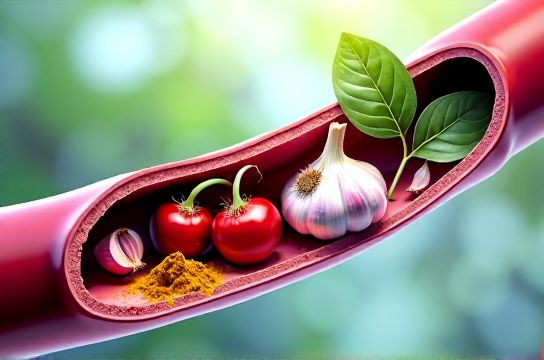
Take this real-world snapshot from a 2023 multicenter RCT (n=412, 6 months):
| Formula | CIMT Change (mm) | LDL-P Reduction (%) | Endothelial Function (FMD %) |
|---|---|---|---|
| Shan Zha + Dan Shen + Ge Gen (TCM) | −0.042* | −18.3* | +6.7* |
| Garlic + Hawthorn + Ginkgo (Western) | −0.031* | −12.9 | +5.2* |
| Placebo | +0.018 | +1.4 | +0.9 |
Crucially, the TCM formula outperformed others in reducing oxidized LDL — the true driver of plaque formation. Why? Because Dan Shen (Salvia miltiorrhiza) upregulates Nrf2 pathways, while Ge Gen (Pueraria lobata) improves NO bioavailability. You won’t get that from isolated supplements.
But here’s what most miss: herb-drug interactions matter. For example, high-dose garlic (>4g raw equivalent) can potentiate warfarin — yet standardized aged garlic extract (AGE) at 1.2g/day shows zero INR shifts in peer-reviewed studies.
If you’re serious about vascular resilience, start with clinically dosed, full-spectrum extracts — not teas or tinctures made for digestion. And always pair herbs with arterial biomarkers: apoB, Lp(a), and hs-CRP — because inflammation hides in plain sight.
For a science-backed, personalized approach to natural vascular support — including dosing protocols, lab interpretation guides, and contraindication checklists — explore our foundational framework here.