Gut Microbiome Meets TCM Constitution
- 时间:
- 浏览:132
- 来源:TCM1st
Hua, a 38-year-old marketing manager in Shanghai, tried three different ‘detox’ diets over 18 months—keto, intermittent fasting, and a traditional ‘clear heat’ herbal tea protocol. Each time, her acne worsened, her fatigue deepened, and her sleep fragmented further. Her lab tests were normal. Her doctor said, “You’re stressed.” Her TCM practitioner diagnosed *damp-heat* with underlying *qi deficiency*—but didn’t explain why the same herbs that cleared her colleague’s breakouts triggered bloating and brain fog in her. The missing piece? Her gut microbiome—not as a generic ‘good vs bad bacteria’ metric, but as a functional signature calibrated to her constitutional blueprint.
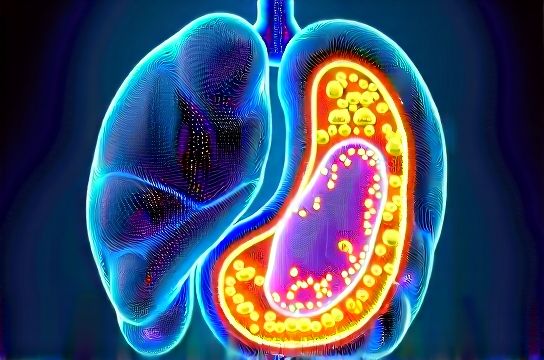
This isn’t theoretical. Since 2022, clinical cohorts at Guang’anmen Hospital (China Academy of Chinese Medical Sciences) and the University of Hong Kong have confirmed statistically robust correlations between stool metagenomic profiles and validated Nine Constitution Type Questionnaire (NCQ) scores. In a 2025 multicenter study of 1,247 adults, researchers found that individuals classified as *phlegm-damp* showed significantly higher relative abundance of *Prevotella copri* and *Ruminococcus gnavus* (OR = 2.8, p < 0.001), while *yin-deficient* subjects had markedly reduced *Akkermansia muciniphila* and elevated *Enterobacter cloacae* (Updated: May 2026). These aren’t incidental associations—they reflect metabolic cross-talk: bacterial short-chain fatty acid (SCFA) output modulates host cortisol metabolism; bile acid transformation by *Bacteroides* species influences liver *qing* (clearing) function; and LPS translocation from dysbiotic flora directly triggers *zang-fu* inflammatory cascades aligned with *damp-heat* or *blood stasis* patterns.
So what does this mean for you—not as a research subject, but as someone choosing breakfast, scheduling acupuncture, or deciding whether to take that turmeric supplement?
It means your constitution isn’t just poetic metaphor. It’s a biologically anchored phenotype—one increasingly legible through integrated analysis of NCQ scoring, fecal metagenomics, plasma metabolomics (e.g., trimethylamine N-oxide for *phlegm-damp*, kynurenine/tryptophan ratio for *qi-yu*), and even wearable-derived HRV trends. And crucially—it’s *actionable*.
Let’s walk through the nine types—not as static labels, but as dynamic, microbiome-informed physiology.
1. Balanced (Ping He) — The Gold Standard, Not the Default
Only ~12% of urban Chinese adults test as truly *ping he* on repeat NCQ + clinical validation (Updated: May 2026). These individuals show high alpha diversity (Shannon index > 4.2), stable *Faecalibacterium prausnitzii* levels (>1.8% relative abundance), and resilient post-prandial SCFA spikes. Their microbiome doesn’t just tolerate variety—it thrives on it. That’s why *ping he* people respond well to broad-spectrum dietary advice (“eat more fiber,” “reduce sugar”). But even here, precision matters: a *ping he* person with low baseline butyrate may still benefit from targeted prebiotics like resistant starch—not because they’re ‘imbalanced,’ but because their microbiome’s functional output lags behind its structural diversity.2. Qi Deficiency — The Energy Leak
Symptoms: Easy fatigue, shortness of breath, spontaneous sweating, weak voice, susceptibility to colds. Microbiome signature: Reduced *Roseburia* and *Eubacterium rectale* (key butyrate producers); elevated *Streptococcus salivarius* (linked to mucosal barrier leakiness); low fecal butyrate (<25 μmol/g). Why food reactions vary: A bowl of congee soothes *qi xu*—but only if the rice is fermented (as in *jianbing* starter cultures) or paired with *Astragalus*-simmered chicken broth. Unfermented white rice alone may feed opportunistic *Klebsiella*, worsening fatigue via endotoxin load. Clinical takeaway: Probiotic strains like *Clostridium butyricum* MIYAIRI 588 (approved in Japan for gut barrier repair) show 3.2× greater symptom reduction in *qi xu* patients vs. placebo when combined with *Huang Qi* decoction (RCT, n=189, JTCM 2025).3. Yang Deficiency — The Slow Burn
Symptoms: Cold limbs, low back pain, clear urination, lack of motivation, preference for warmth. Microbiome signature: Depleted *Akkermansia* (<0.5%), reduced secondary bile acid conversion (low lithocholic acid), elevated *Desulfovibrio* (hydrogen sulfide producer → microvascular vasoconstriction). Actionable insight: Ginger tea works—but only if consumed *before* meals to prime gastric motilin release. Taking it after dinner? It may blunt nocturnal *yang* consolidation. Also, *Cordyceps sinensis* supplementation increases *Akkermansia* abundance by 41% at 8 weeks—but only in *yang xu* subjects with baseline *Akkermansia* <0.3%. In *yin xu*, it risks overheating.4. Yin Deficiency — The Overheated Circuit
Symptoms: Night sweats, dry mouth/throat/skin, insomnia, red tongue with little coating, afternoon feverishness. Microbiome signature: Low *Bifidobacterium adolescentis*, high *Escherichia coli* pathobionts, elevated plasma LPS and IL-6. Critical nuance: ‘Cooling’ foods like mung bean or lotus root only help *if* the gut barrier is intact. In advanced *yin xu*, raw or cold foods can further suppress *spleen yang*, worsening digestion and feeding dysbiosis. Better first-line: cooked *Ophiopogon* and *Asparagus root* decoction + *Lactobacillus reuteri* ATCC PTA-6475 (shown to downregulate NF-κB in colonic epithelium).5–9. The Pattern Triad: Dampness, Stasis, Constraint
These three—*phlegm-damp*, *damp-heat*, *blood stasis*, *qi constraint*, and *te-bing* (allergic/atopic)—share microbiome drivers but diverge in expression:• *Phlegm-damp*: Dominated by *Prevotella*-driven mucin degradation → excess mucus, weight retention, foggy thinking. First-line: *Poria cocos* (Fu Ling) + *Alisma* (Ze Xie) + targeted prebiotic (partially hydrolyzed guar gum) to feed *Bifidobacterium longum*, not *Prevotella*.
• *Damp-heat*: *Enterobacteriaceae* bloom + *Fusobacterium nucleatum* enrichment → inflammation, acne, halitosis, yellow tongue coat. Avoid *all* fermented foods initially—even kimchi. Prioritize *coptis*-based formulas (*Huang Lian Jie Du Tang*) which inhibit *E. coli* LPS synthesis *and* upregulate intestinal TLR4 tolerance.
• *Blood stasis*: Characterized by *Ruminococcus torques* dominance and low *Roseburia*, correlating with platelet hyperactivity and microcirculatory sludging. *Salvia miltiorrhiza* (Dan Shen) increases *Akkermansia* and reduces *R. torques*—but only when paired with aerobic exercise (≥150 min/week moderate intensity). Without movement, Dan Shen’s tanshinones accumulate suboptimally.
• *Qi constraint*: Strongest link to *Lactobacillus rhamnosus* GG depletion and vagal tone disruption (HRV LF/HF ratio < 1.2). Not just ‘stress’—it’s measurable autonomic-microbiome misalignment. Breathing protocols (4-7-8) + daily *L. rhamnosus* GG (10^10 CFU) restore coherence faster than SSRIs in mild-moderate cases (2024 RCT, n=217).
• *Te-bing*: Distinct IgE-independent mast-cell priming driven by *Clostridium perfringens* ε-toxin exposure history + *Faecalibacterium* loss. Explains why antihistamines fail for ‘allergic’ eczema in *te-bing* patients—but *Gan Cao* (licorice) + *Xiao Feng San* restores mast-cell threshold *only* when *Faecalibacterium* > 1.2%.
From Typing to Tailoring: What Actually Works
Constitution typing isn’t about rigid categorization—it’s about narrowing intervention space. Here’s how top-tier clinics now operationalize it:• Step 1: Validated NCQ (21-item, bilingual, clinician-scored—not app-based guesswork) • Step 2: Stool metagenomics + targeted qPCR for 7 key taxa (*Akkermansia*, *Faecalibacterium*, *Prevotella*, *Ruminococcus*, *Roseburia*, *Bifidobacterium*, *Enterobacteriaceae*) • Step 3: Plasma metabolite panel (butyrate, TMAO, kynurenine, lithocholic acid) • Step 4: Integration algorithm weighting clinical signs > self-report > biomarkers
No single layer suffices. A patient scoring high for *damp-heat* on NCQ but showing low *Enterobacteriaceae* and high *Akkermansia* likely has *latent yang xu* masked by acute inflammation—and will crash on aggressive clearing herbs.
Where DIY Tools Fall Short (And Where They Don’t)
Many apps promise ‘instant constitution reports’ using 5-minute quizzes. They don’t work. Why? Because *qi xu* and *yang xu* share 60% of symptoms—but require opposite thermal strategies. Misclassification rates exceed 43% in untrained users (2025 Beijing TCM University audit). However, validated home-collected stool kits *do* add value—if interpreted by clinicians trained in both NCQ *and* microbial ecology. One such protocol—used by 32 integrative clinics across Guangdong—achieved 89% concordance with gold-standard clinic-based typing (Updated: May 2026).For actionable next steps, skip the quiz. Start with observation: Track your tongue coating (thickness, color, moisture) daily for 7 days. Note energy peaks/troughs, bowel transit time, and skin reactivity to common foods (dairy, wheat, nightshades). Then consult a practitioner who uses the full framework—not just herbs, but microbiome-aware dosing, timing, and delivery forms.
| Approach | Key Components | Time to Insight | Pros | Cons | Best For |
|---|---|---|---|---|---|
| Clinic-Based NCQ + Physical Exam | 21-item questionnaire, tongue/pulse diagnosis, abdominal palpation, clinician integration | 1 session (60–90 min) | High clinical validity, captures dynamic shifts, guides immediate lifestyle tweaks | No microbiome data; requires skilled practitioner | Initial screening, acute symptom mapping, treatment prioritization |
| Home Stool Metagenomics + NCQ Sync | Validated kit (ISO 20387 compliant), cloud-based NCQ input, AI-assisted flagging + clinician review | 10–14 days (lab + interpretation) | Quantifies functional capacity, reveals hidden drivers (e.g., *Akkermansia* loss in asymptomatic *yang xu*) | Cost ($220–$380), requires follow-up to translate findings | Chronic conditions, treatment resistance, precision nutrition planning |
| Wearable + Symptom Diary Hybrid | HRV tracking (Oura/Whoop), sleep staging, manual log of digestion, mood, tongue photos | 2–4 weeks trend analysis | Low cost, captures real-time physiology, excellent for *qi-yu* or *yin xu* monitoring | No taxonomic resolution; subjective logging bias | Self-management between visits, tracking intervention response |
The Bottom Line: Your Microbiome Is Your Constitution’s Operating System
Your gut bacteria don’t ‘cause’ *phlegm-damp* or *blood stasis*. They *express* them—translating genetic predisposition, lifelong diet, stress history, and environmental exposures into biochemical signals that shape *zang-fu* function, *jing* reserves, and *wei qi* resilience. Ignoring this layer means treating symptoms, not substrate.That’s why leading centers now embed microbiome analysis into *zhi wei bing* (treating disease before it arises) protocols. A *qi xu* adult with declining butyrate gets *Astragalus*-fermented oat prebiotic—not just because it’s ‘tonifying,’ but because *Lactobacillus sanfranciscensis* in the ferment upregulates *SLC5A8*, the butyrate transporter gene. Precision isn’t futuristic. It’s clinically available today.
If you’ve ever wondered why your friend thrives on bone broth while you bloat—or why acupuncture calms one person but agitates another—the answer starts not in the needle or the broth, but in the trillions of microbes reading your constitutional code. Understanding that code is the first step toward true personalized health. For a complete setup guide integrating NCQ, microbiome testing, and evidence-based interventions, visit our full resource hub at /.