How Acupuncture Works with the Body’s Meridian System
- 时间:
- 浏览:95
- 来源:TCM1st
If you’ve ever wondered how sticking tiny needles into your skin can actually make you feel better, you're not alone. As a wellness blogger who's tested everything from cryotherapy to cupping, I’ve found that **acupuncture** consistently delivers real results—especially when it comes to stress relief and chronic pain. But how does it *really* work? Let’s break down the science (and tradition) behind acupuncture and the body’s **meridian system**.
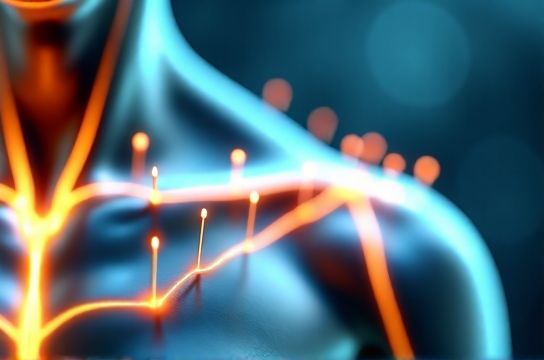
Acupuncture is rooted in Traditional Chinese Medicine (TCM), which believes that energy—called 'Qi' (pronounced 'chee')—flows through pathways in the body known as meridians. There are 12 main meridians, each linked to a specific organ or function. When Qi becomes blocked or unbalanced, it can lead to pain or illness. Acupuncture aims to restore flow by stimulating key points along these channels.
Now, modern science doesn’t detect 'energy pathways' the way TCM describes them, but research shows acupuncture has measurable effects on the nervous system. A 2020 meta-analysis published in *JAMA Internal Medicine* found that acupuncture significantly reduces chronic pain—better than sham treatments and even standard care in some cases.
Here’s a look at the major meridians and their associated organs:
| Meridian | Associated Organ | Common Issues Addressed |
|---|---|---|
| Lung | Lungs | Respiratory issues, fatigue |
| Large Intestine | Colon | Constipation, skin problems |
| Stomach | Stomach | Digestive discomfort, nausea |
| Spleen | Spleen/Pancreas | Low energy, bloating |
| Heart | Heart | Anxiety, insomnia |
Interesting, right? While Western medicine might not map things exactly like this, functional medicine practitioners are starting to see parallels—like how gut health (linked to the Spleen meridian) affects mood and immunity.
One of the most studied effects of acupuncture is its ability to trigger endorphin release—the body’s natural painkillers. It also influences the vagus nerve, helping shift your body from 'fight-or-flight' to 'rest-and-digest' mode. This explains why many people feel deeply relaxed after a session—even if they were skeptical at first.
But not all acupuncture is created equal. For best results, go to a licensed practitioner who tailors treatment to your symptoms. Some clinics now use electro-acupuncture or combine it with herbal therapy for enhanced effects.
Still curious about the meridian system? Think of it like an internal GPS for energy flow. Whether you’re dealing with migraines, infertility, or just long-term stress, targeting the right meridians can make a noticeable difference.
Bottom line: Acupuncture isn’t magic—it’s a well-tested practice that bridges ancient wisdom and modern neuroscience. If you’re looking for a natural way to rebalance your body, it’s definitely worth a try.