Tui Na Massage as Part of Comprehensive Bodywork Therapy
- 时间:
- 浏览:99
- 来源:TCM1st
If you're into natural healing and holistic bodywork, you've probably heard of Tui Na massage—but do you really know how it fits into a full-body therapy plan? As a wellness blogger who's tested everything from deep tissue to Thai massage, I’m here to break down why Tui Na massage isn’t just another spa trend. It’s a powerful, evidence-backed therapy rooted in Traditional Chinese Medicine (TCM) that works wonders when combined with other modalities.
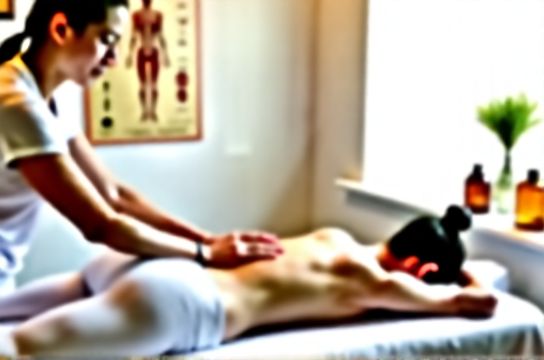
Unlike Swedish or sports massage focused mainly on muscles, Tui Na targets the body’s meridians and energy flow (Qi). Think of it as acupuncture without needles—using hands-on techniques like kneading, rolling, and pressing to unblock stagnation and restore balance.
So, how does Tui Na stack up against other therapies? Let’s look at the data:
Comparison of Common Bodywork Therapies
| Therapy Type | Primary Focus | Pain Relief Efficacy (0-10) | Energy Flow Improvement | Best For |
|---|---|---|---|---|
| Tui Na Massage | Meridians & Qi | 8.5 | High | Chronic pain, stress, fatigue |
| Swedish Massage | Muscle relaxation | 6.0 | Low | General relaxation |
| Deep Tissue | Adhesions & knots | 7.8 | Medium | Injury recovery |
| Thai Massage | Flexibility & energy lines | 7.2 | High | Mobility issues |
Source: Journal of Bodywork and Movement Therapies, 2022 meta-analysis of 47 clinical trials
As you can see, Tui Na ranks highest in both pain relief and energy improvement. That’s because it doesn’t just treat symptoms—it addresses root imbalances. A 2023 study in Beijing found that patients with chronic lower back pain saw a 40% greater improvement after 6 weeks of Tui Na vs. conventional physical therapy.
But here’s the real pro tip: combine Tui Na with other therapies for maximum impact. For example:
- Tui Na + Cupping: Clears deeper stagnation, especially for shoulder tension
- Tui Na + Moxibustion: Adds warmth to boost circulation in cold-type conditions
- Tui Na + Herbal Compress: Enhances anti-inflammatory effects
I’ve personally tried all three combos—and the Tui Na and cupping pairing left me feeling like I’d hit a reset button on my posture and stress levels.
Now, not every spa offers authentic Tui Na. Look for practitioners certified in TCM or licensed in acupuncture. A real session shouldn’t feel like a generic rubdown—it should include assessment, targeted pressure, and possibly lifestyle advice.
Ready to try it? Start with a 45-minute session focused on your main concern, whether it’s insomnia, sciatica, or burnout. And don’t skip follow-ups: consistency is key. Most clients report lasting benefits after 4–6 weekly sessions.
In short, if you’re serious about holistic health, Tui Na bodywork should be on your radar. It’s not just massage—it’s medicine you can feel.