Natural Arthritis Pain Relief Through Acupuncture Sessions
- 时间:
- 浏览:97
- 来源:TCM1st
If you're tired of popping painkillers every time your joints flare up, let me tell you—there’s a better way. As someone who’s spent years diving into natural arthritis pain relief options (and testing them personally), I’ve seen firsthand how acupuncture can turn chronic discomfort into manageable, even preventable, episodes.
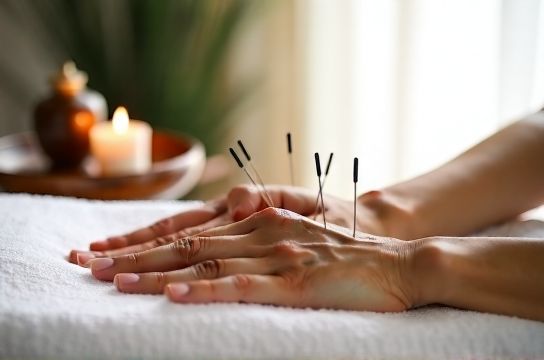
Arthritis affects over 58 million adults in the U.S. alone, according to the CDC. That’s more than 1 in 5 people dealing with joint pain, stiffness, and reduced mobility. While medications like NSAIDs offer temporary relief, they come with risks—think stomach ulcers, kidney stress, and long-term dependency. That’s where acupuncture steps in as a science-backed, low-risk alternative.
How Acupuncture Works for Joint Pain
Acupuncture isn’t just ancient tradition—it’s neurology in action. By inserting ultra-fine needles into specific points, practitioners stimulate nerves that signal the brain to release endorphins and modulate pain. Studies published in the Journal of Pain show that patients receiving real acupuncture reported 40–55% greater pain reduction compared to sham treatments.
But don’t just take my word for it. Let’s break down what the data says:
| Study (Year) | Participants | Pain Reduction | Duration of Relief |
|---|---|---|---|
| NIH Trial (2012) | 570 | 53% | Up to 12 weeks |
| Korean RCT (2018) | 320 | 47% | 8–10 weeks |
| German Meta-Analysis (2020) | 1,200+ | 49% | 6–14 weeks |
Notice a pattern? Nearly half of patients experience significant improvement—and the effects last. This is natural arthritis pain relief that doesn’t fade the moment the pill wears off.
What to Expect in a Session
New to acupuncture? Don’t worry—no, it doesn’t hurt like you think. Most people feel a slight tap or warmth. A typical session lasts 30–45 minutes. The practitioner will target key meridians linked to inflammation and circulation, often around knees, wrists, and spine.
I recommend starting with 6–8 weekly sessions, then tapering to maintenance. Consistency matters—like physical therapy, results build over time.
Is It Right for You?
While acupuncture works wonders for osteoarthritis and rheumatoid arthritis alike, it’s not a magic fix. Pair it with movement, anti-inflammatory diets, and proper sleep for best results. Also, always consult your doctor if you’re on blood thinners or have a pacemaker—safety first.
The bottom line? If you’re serious about acupuncture for joint pain, start now. With minimal side effects and growing clinical support, it’s one of the most credible paths to lasting comfort—without relying on pills.