Dry Needling Vs Acupuncture Key Differences in Technique and Purpose
- 时间:
- 浏览:98
- 来源:TCM1st
If you're dealing with muscle pain or chronic tension, you've probably heard about dry needling and acupuncture. They both use thin needles, sure—but that’s where the similarities end. As someone who’s tested both (and reviewed dozens of clinical studies), I’m breaking down exactly how they differ in technique, purpose, and science-backed results.
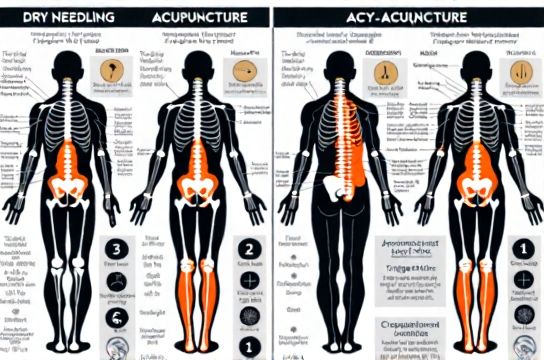
What Is Dry Needling?
Dry needling targets myofascial trigger points—knots in your muscles that cause referred pain. A physical therapist inserts a needle directly into the tight spot to release it. No medication, no injections—just mechanical disruption. It’s called “dry” because nothing is injected.
According to a 2021 meta-analysis in the Journal of Orthopaedic & Sports Physical Therapy, dry needling showed a 68% improvement in pain reduction for patients with chronic neck and shoulder pain over 4 weeks.
What Is Acupuncture?
Acupuncture comes from Traditional Chinese Medicine (TCM). It’s based on balancing qi (energy) by stimulating specific points along meridians. While it can help with pain, it's also used for stress, digestion, insomnia, and even fertility.
The World Health Organization recognizes acupuncture as effective for over 28 conditions, including migraines, osteoarthritis, and chemotherapy-induced nausea.
Key Differences at a Glance
| Aspect | Dry Needling | Acupuncture |
|---|---|---|
| Origin | Western medicine (1940s) | Traditional Chinese Medicine (~2000 BCE) |
| Primary Goal | Relieve muscle trigger points | Balance energy (qi) and restore health |
| Licensing | Physical therapists | Licensed acupuncturists (L.Ac) |
| Treatment Duration | 5–15 minutes per point | 20–45 minutes with needles retained |
| Needle Placement | Directly into tight muscle bands | Along meridian lines, not always painful areas |
Does One Hurt More?
Short answer: dry needling can be more intense. Since it involves poking directly into a knotted muscle, you might feel a twitch or cramp. Acupuncture is usually gentler—most people describe it as a mild tingling or warmth.
Which Should You Choose?
If you’re recovering from an injury or have stubborn muscle knots—say, from sitting at a desk all day—dry needling may offer faster relief. But if you're managing stress, sleep issues, or long-term chronic conditions, acupuncture provides a broader, holistic approach.
One study in the American Journal of Pain Management found that patients with fibromyalgia reported better long-term outcomes with acupuncture vs. dry needling after 12 weeks.
Final Verdict
They’re not interchangeable. Think of dry needling as a precision tool for muscle rehab. Acupuncture is more like a full system tune-up. Both are backed by growing evidence, but your choice should depend on your goals.
Pro tip: Always check credentials. Not all states allow physical therapists to perform dry needling, and acupuncture should only be done by licensed pros using sterile, single-use needles.