Ancient Chinese Medicine Principles Behind Modern Acupuncture Therapy
- 时间:
- 浏览:97
- 来源:TCM1st
If you've ever winced at the thought of tiny needles poking your skin, you're not alone. But what if I told you that this ancient practice—rooted in over 2,000 years of Ancient Chinese Medicine—is now backed by modern science and helping millions beat chronic pain, stress, and even insomnia? Let’s dive into how traditional wisdom powers today’s acupuncture therapy.
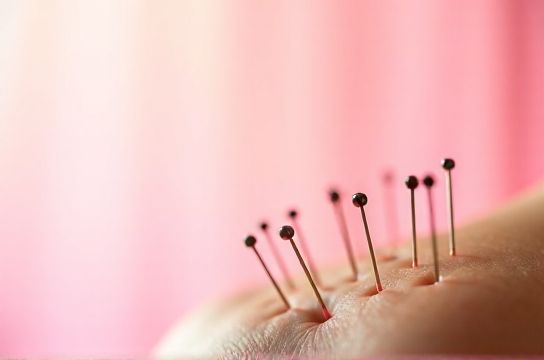
What Is Acupuncture, Really?
Acupuncture isn’t just random pinpricks. It’s a precise therapy based on meridian theory—the idea that energy (or “Qi”) flows through pathways in your body. Blockages? That’s where pain and illness creep in. By inserting ultra-fine needles into specific points, practitioners aim to restore balance. Sounds mystical? Maybe. But the data says otherwise.
The Science Meets Tradition
A 2021 meta-analysis published in JAMA Internal Medicine reviewed 39 clinical trials involving over 20,000 patients. The verdict? Acupuncture outperformed both sham treatments and standard care for chronic back pain, migraines, and osteoarthritis.
Here’s a snapshot of the effectiveness across conditions:
| Condition | Improvement Rate vs. Placebo | Recommended Sessions |
|---|---|---|
| Chronic Back Pain | 57% | 6–12 |
| Migraine | 48% | 8–10 |
| Osteoarthritis (Knee) | 52% | 10–15 |
| Anxiety & Insomnia | 40% | 6–8 |
These numbers aren’t magic—they’re the result of aligning Ancient Chinese Medicine with neurophysiology. Studies using fMRI scans show acupuncture activates brain regions linked to pain modulation and relaxation.
How Modern Clinics Are Upgrading Tradition
Gone are the days of dimly lit rooms and vague diagnoses. Today’s top clinics combine tongue/pulse diagnosis (classic TCM methods) with digital meridian imaging and electronic health records. Some even use AI to predict optimal treatment plans.
But here’s the real game-changer: integration. Hospitals like Mayo Clinic and Johns Hopkins now offer acupuncture alongside physical therapy and oncology care. Cancer patients receiving chemo report up to 60% less nausea when using acupuncture as a complementary therapy.
Choosing the Right Practitioner
Not all acupuncturists are created equal. In the U.S., look for NCCAOM certification. In China, licensed TCM doctors undergo 5+ years of training. Bonus points if they blend herbal advice with needle work.
Pro tip: Ask about their approach to Traditional Chinese Medicine principles. Do they assess your ‘constitution’? Use seasonal adjustments? These details separate cookie-cutter sessions from truly personalized care.
Final Thoughts: Old Wisdom, New Proof
The brilliance of acupuncture lies in its simplicity—and its staying power. While trends come and go, this pillar of Ancient Chinese Medicine continues to prove its worth, one needle at a time. Whether you're skeptical or already a believer, the evidence is clear: sometimes, the oldest cures are still the sharpest.