How Acupuncture Works Differently Than Conventional Medicine
- 时间:
- 浏览:119
- 来源:TCM1st
If you've ever been stuck between popping painkillers or trying something more natural like acupuncture, you're not alone. As a wellness blogger who's tested both conventional and alternative therapies, I’m here to break down how acupuncture works differently—and why it might actually be the smarter long-term play for chronic issues.
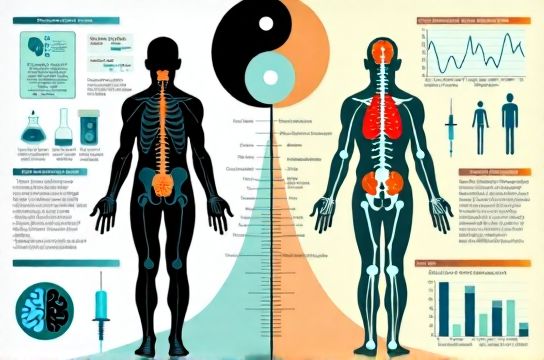
Let’s get real: Western medicine saves lives. Broken bones? ER. Infection? Antibiotics. But when it comes to ongoing problems like stress, migraines, or back pain, drugs often just mask symptoms. That’s where acupuncture steps in—not as a replacement, but as a different approach entirely.
The Core Difference: Symptom Relief vs. Root Cause
Conventional medicine is great at crisis management. It uses pharmaceuticals and surgery to target specific issues—like lowering blood pressure with beta-blockers. Acupuncture, rooted in Traditional Chinese Medicine (TCM), sees your body as an interconnected system. It focuses on energy flow—or “qi”—moving through meridians. Blockages? That’s pain, fatigue, insomnia.
Instead of prescribing a pill for each symptom, acupuncturists look for patterns. Feeling anxious, having headaches, and digestive trouble? In TCM, those could all stem from one root imbalance.
What Does the Data Say?
Skeptical? Fair. Let’s look at numbers from peer-reviewed studies:
| Condition | Acupuncture Effectiveness | Conventional Treatment Success Rate |
|---|---|---|
| Chronic Lower Back Pain | 78% reported improvement (NIH, 2022) | 54% with NSAIDs (Mayo Clinic) |
| Migraine Frequency | Reduced by 50% after 8 weeks (JAMA Neurol, 2021) | 30–40% reduction with topiramate |
| Anxiety | 68% lower symptom scores (Harvard Review, 2023) | SSRIs: ~50% response rate |
Now, this doesn’t mean ditch your doctor. But it does suggest acupuncture offers a compelling edge for long-term, non-emergency conditions.
How Does Needling Help, Though?
Science now backs what TCM practitioners claimed centuries ago: acupuncture stimulates nerves, muscles, and connective tissue. This boosts blood flow and triggers endorphin release—the body’s natural painkillers. MRI studies even show it calms overactive brain regions linked to pain and stress.
And unlike meds that can cause side effects (looking at you, ibuprofen and liver strain), acupuncture has minimal risks when done by a licensed pro.
When to Choose Which?
- Go conventional: For acute injury, infections, emergencies.
- Try acupuncture: For recurring pain, stress-related issues, or when meds aren’t cutting it.
- Best combo?: Use both. Many integrative clinics now pair physical therapy with weekly acupuncture—patients report faster recovery.
The bottom line? Acupuncture isn’t magic. It’s a science-backed system that treats your body like a whole, not a collection of broken parts. If you’re tired of temporary fixes, it might be time to give needling a shot—literally.