Ancient Origins of Acupuncture and Modern Applications
- 时间:
- 浏览:98
- 来源:TCM1st
If you’ve ever winced at the thought of tiny needles piercing your skin, you’re not alone. But what if I told you that acupuncture—an ancient healing art with roots stretching back over 2,500 years—is now backed by modern science? As a holistic health blogger who’s tested everything from cupping to electro-acupuncture, I’m here to break down how this traditional Chinese practice evolved into a legit wellness powerhouse.
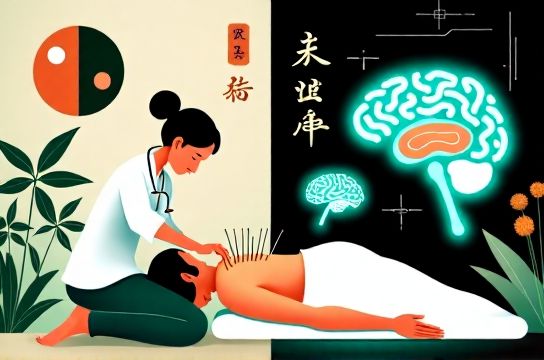
Originating during the Han Dynasty, acupuncture was first documented in the Huangdi Neijing (The Yellow Emperor’s Classic of Internal Medicine). This wasn’t just folk medicine—it was a systematic approach to balancing qi (life energy) through meridians in the body. Fast forward to today: the World Health Organization (WHO) recognizes acupuncture for treating over 100 conditions—from chronic pain to anxiety.
How Does Acupuncture Work? The Science Bit
While qi might sound mystical, researchers have found measurable effects. Needles stimulate nerves, muscles, and connective tissue, boosting blood flow and triggering the release of endorphins. A 2020 meta-analysis in The Journal of Pain showed that patients receiving real acupuncture reported 30% greater pain reduction than sham treatments.
Here’s a quick snapshot of proven benefits:
| Condition | Effectiveness (WHO) | Typical Sessions Needed |
|---|---|---|
| Chronic Back Pain | High | 6–12 |
| Migraines | High | 8–10 |
| Anxiety | Moderate | 10–15 |
| Insomnia | Moderate | 8–12 |
As you can see, results aren’t overnight magic—they build over time. And yes, consistency matters. Think of it like going to the gym for your nervous system.
Modern Twists on an Ancient Practice
Today’s clinics don’t just rely on hand-inserted needles. Innovations like electro-acupuncture (where a mild current runs through the needles) and laser acupuncture are gaining traction. In fact, a 2022 study found electro-acupuncture reduced osteoarthritis knee pain by 45% compared to 28% in traditional sessions.
But here’s where things get tricky: not all practitioners are equal. In the U.S., over 40 states license acupuncturists, but training varies. Look for someone with NCCAOM certification—that’s the gold standard.
And let’s talk cost. A single session ranges from $75 to $150, though some insurance plans now cover it—especially for chronic pain. Pro tip: ask about sliding scale fees. Many clinics offer them.
Curious about trying it? Start with a reputable clinic and commit to at least six sessions before judging results. For more on safe practices, check out our guide to choosing the right acupuncture treatment.
Bottom line? Whether you’re skeptical or already a believer, the data speaks: acupuncture isn’t just ancient tradition—it’s a growing part of evidence-based care. And honestly? That little pinch is way worth the payoff.