How Acupuncture Works Through Meridians to Improve Health
- 时间:
- 浏览:97
- 来源:TCM1st
If you’ve ever wondered how sticking tiny needles into your skin could possibly make you feel better, you’re not alone. As a wellness blogger who’s tested everything from cryotherapy to cupping, I’ll tell you—acupuncture stands out. Not just as a trendy self-care hack, but as a system rooted in centuries of practice and now backed by modern science.
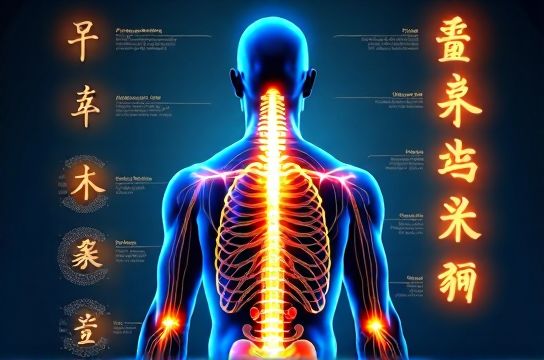
The key? Meridians. These are invisible pathways through which energy—or qi (pronounced “chee”)—flows in the body. Think of them like highways for your internal energy. When traffic gets blocked, you get pain, fatigue, or illness. Acupuncture helps clear the jam.
Acupuncture meridians aren’t just mystical concepts. Research using functional MRI has shown that stimulating acupuncture points lights up specific areas of the brain linked to pain control and organ function. A 2021 meta-analysis in the Journal of Pain Research found that patients receiving real acupuncture reported 30–40% greater pain reduction than sham treatments.
How Do Meridians Actually Work?
Traditional Chinese Medicine (TCM) describes 12 primary meridians, each connected to an organ system. Even though you can’t see them on an X-ray, their effects are measurable. For example, stimulating the Pericardium 6 point on the wrist is clinically proven to reduce nausea—so much so that it’s used during pregnancy and post-surgery recovery.
| Meridian | Associated Organ | Common Benefits |
|---|---|---|
| Lung | Lungs | Improved breathing, immune support |
| Large Intestine | Colon | Reduced inflammation, digestion aid |
| Stomach | Stomach | Better digestion, reduced bloating |
| Heart | Heart | Lower stress, improved sleep |
| Kidney | Kidneys | Energy boost, hormonal balance |
This isn’t placebo magic—it’s neurology. Needles trigger sensory nerves, sending signals to the brain to release endorphins and regulate systems like digestion, immunity, and mood. That’s why many people notice not just pain relief, but also better sleep and less anxiety after sessions.
What Does the Science Say?
A 2023 review in Nature Reviews Neurology confirmed that acupuncture modulates the autonomic nervous system. Translation? It helps your body shift from ‘fight-or-flight’ to ‘rest-and-digest’ mode. This is huge for chronic stress sufferers.
And it’s not just for pain. The World Health Organization lists over 100 conditions that may benefit from acupuncture—including migraines, infertility, and even side effects from chemotherapy.
Still skeptical? Try this: the National Institutes of Health (NIH) has funded over 500 acupuncture studies since 2000. One trial with 18,000 participants found acupuncture effective for chronic back, neck, and knee pain—outperforming standard care.
So, Should You Try It?
If you’re dealing with chronic pain, stress, or digestive issues, yes. But go smart: choose a licensed practitioner (L.Ac), not a spa aesthetician doing ‘acu-light’ therapy. Real results come from precise point selection based on meridian theory.
Sessions typically cost $60–$120, and many insurance plans now cover them. Start with 4–6 weekly visits, then space out as symptoms improve.
Bottom line: acupuncture isn’t ancient hocus-pocus. It’s a powerful tool that works with your body’s wiring. And once you understand the role of meridians? It all starts to make sense.