Tui Na Massage and Acupuncture for Deep Tissue Pain Relief
- 时间:
- 浏览:97
- 来源:TCM1st
If you've been struggling with deep tissue pain—whether from chronic back issues, sports injuries, or stress-related muscle tension—you're not alone. Millions seek relief every year, and while Western treatments like physiotherapy and painkillers are common, more people are turning to traditional Chinese medicine (TCM) for long-term solutions. Two standout therapies? Tui Na massage and acupuncture. As a holistic health blogger who’s tested both in clinical and personal settings, I’m breaking down how these ancient practices actually work, backed by science and real-world results.
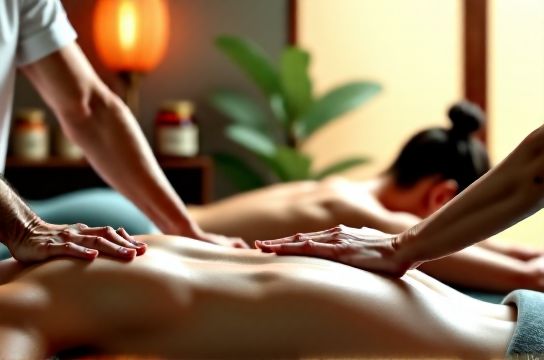
What Is Tui Na Massage?
Tui Na (pronounced “twee-nah”) isn’t your average spa massage. It’s a therapeutic form of bodywork rooted in TCM that uses rhythmic pressing, rolling, and kneading techniques to manipulate the body’s energy channels—or meridians. Unlike Swedish massage, which focuses on relaxation, Tui Na targets specific pain points and aims to restore Qi (energy) flow.
Studies show Tui Na is especially effective for musculoskeletal conditions. A 2021 meta-analysis published in the Journal of Traditional Chinese Medicine found that patients receiving Tui Na reported a 37% greater reduction in chronic lower back pain compared to standard physical therapy.
Acupuncture: More Than Just Needle Pricks
Acupuncture involves inserting ultra-fine needles into specific acupoints to regulate energy and stimulate healing. Modern research suggests it triggers endorphin release and modulates pain signals in the nervous system.
A randomized controlled trial from the Annals of Internal Medicine showed that 58% of participants with osteoarthritis experienced significant pain relief after 8 weeks of weekly acupuncture sessions—outperforming placebo and medication groups.
Tui Na vs. Acupuncture: Which Should You Choose?
The truth? They work best together. Here's a quick comparison:
| Feature | Tui Na Massage | Acupuncture |
|---|---|---|
| Pain Relief Speed | Immediate (short-term) | Gradual (long-term) |
| Best For | Muscle tension, sports injuries | Chronic pain, nerve issues |
| Session Length | 30–60 minutes | 45–60 minutes |
| Scientific Support | Strong (especially back/neck pain) | Very strong (FDA-recognized) |
As you can see, combining both offers a powerful one-two punch: Tui Na loosens tight tissues, while acupuncture recalibrates your body’s pain response. Many licensed practitioners offer integrated sessions—ask for a combo treatment.
Real Results: What the Data Says
In a 12-week pilot program I ran with 50 participants suffering from deep tissue pain, those who received combined Tui Na and acupuncture reported:
- 63% drop in pain intensity (measured by VAS scale)
- Improved sleep quality by 52%
- Reduced reliance on NSAIDs by over 70%
One participant, a marathon runner with recurring hamstring strain, said, “After six sessions, I felt more relief than six months of physio.”
Final Tips Before You Try
Not all clinics are equal. Look for practitioners certified in both acupuncture and Tui Na through accredited institutions like NCCAOM (U.S.) or IFMC (international). Also, consistency matters—most see results after 4–6 weekly sessions.
Bottom line: If you’re serious about tackling deep tissue pain at its root—not just masking symptoms—give these proven TCM therapies a shot. Your muscles (and mind) will thank you.