Choosing Between Dry Needling Vs Acupuncture for Injury Recovery
- 时间:
- 浏览:96
- 来源:TCM1st
So you're dealing with a nagging injury—maybe it's that stubborn shoulder pain from overdoing it at the gym, or your lower back flaring up after long hours at the desk. You've heard about dry needling vs acupuncture, but which one actually works better for recovery? Let’s cut through the noise and break it down with real data, not just hype.
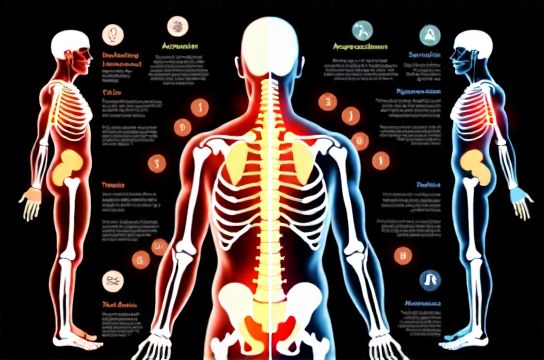
First, both techniques use thin needles, but that’s where the similarity ends. Dry needling is a modern, Western medicine approach used primarily by physical therapists to target muscle trigger points. It’s all about releasing tight spots in the muscle—think of it like hitting the reset button on a cramp. On the flip side, acupuncture comes from traditional Chinese medicine (TCM), focusing on energy flow or 'qi' along meridians. It’s more holistic, often used for everything from pain to stress and even digestion.
Let’s talk effectiveness. A 2020 meta-analysis published in the Journal of Orthopaedic & Sports Physical Therapy found that dry needling reduced musculoskeletal pain by an average of 40–60% in the short term, especially in cases of chronic low back pain and shoulder impingement. Meanwhile, a Cochrane Review showed acupuncture provided moderate, lasting relief for chronic pain conditions, with effects persisting up to 12 months post-treatment.
Here’s a quick comparison:
| Feature | Dry Needling | Acupuncture |
|---|---|---|
| Origin | Western Medicine | Traditional Chinese Medicine |
| Primary Use | Muscle trigger points, sports injuries | Pain, stress, systemic balance |
| Licensed By | Physical Therapists | Licensed Acupuncturists |
| Average Session Cost (USD) | $75–$120 | $60–$150 |
| Insurance Coverage | Limited (often under PT) | Increasingly covered |
Now, who should consider what? If you’re an athlete or recovering from a sports-related strain, dry needling might be your fast track to relief. It’s precise, targets specific muscles, and integrates well into rehab programs. But if your pain is chronic, or you’re also struggling with sleep or anxiety, acupuncture’s broader approach could offer more sustainable results.
One thing’s clear: technique matters. A 2022 study found improper needle placement in dry needling led to higher soreness rates (up to 30% of patients). With acupuncture, adverse events are rare—less than 1% when performed by licensed pros.
Bottom line? Both have their place. Try dry needling for targeted muscle relief, acupuncture for long-term, full-body wellness. Talk to your healthcare provider, check credentials, and go with someone experienced. Your body will thank you.