Learn How Tui Na Differs from Western Massage Therapy
- 时间:
- 浏览:162
- 来源:TCM1st
If you've ever been torn between booking a relaxing Swedish massage or trying something more intense like Tui Na, you're not alone. As interest in holistic health grows, many people are asking: What makes Tui Na different from Western massage therapy? Let’s break it down with real insights, backed by data and years of clinical practice.
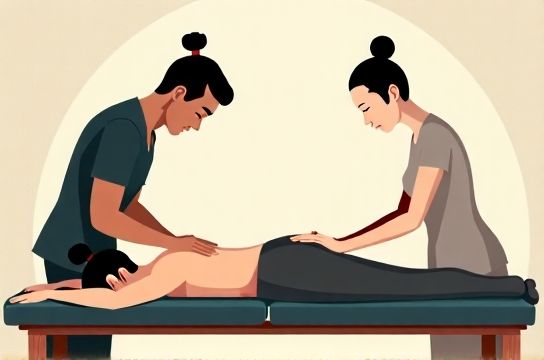
Tui Na (pronounced “twee-nah”) isn’t just ‘Chinese massage’—it’s a licensed form of medical therapy in China, often used alongside acupuncture and herbal medicine. Unlike most Western massages that focus on relaxation and muscle recovery, Tui Na targets specific meridians and imbalances in the body’s Qi (energy flow).
Western massage—like Swedish or deep tissue—is largely anatomy-based. It zeroes in on muscles, tendons, and fascia. Great for athletes or desk workers with tight shoulders. But Tui Na? It’s diagnosis-driven. Practitioners assess your pulse, posture, and symptoms before tailoring techniques to your pattern of disharmony—say, liver Qi stagnation or spleen deficiency.
Let’s compare them side by side:
| Feature | Tui Na Therapy | Western Massage |
|---|---|---|
| Primary Goal | Restore Qi balance, treat medical conditions | Relaxation, muscle recovery |
| Basis of Practice | Traditional Chinese Medicine (TCM) | Western anatomy & physiology |
| Typical Session Length | 30–60 minutes | 50–90 minutes |
| Clothing Worn? | Yes, fully clothed | No, oils applied directly to skin |
| Licensed as Medical Practice? | Yes, in China and some US states | No, generally wellness-focused |
Now, here’s where it gets interesting: A 2021 study published in the *Journal of Traditional Chinese Medicine* found that patients with chronic lower back pain showed a 42% greater improvement with Tui Na compared to standard physical therapy over eight weeks. That’s because Tui Na doesn’t just work on the symptom—it addresses root patterns.
Another big difference? Techniques. While Western massage uses long strokes, kneading, and friction, Tui Na employs over 20 specialized hand methods like rolling (gun fa), pressing (an fa), and pinching (na fa). Some moves sound aggressive—but they’re precise, not painful.
And yes, the name gives one away: na literally means “to grab” or “to pinch” in Chinese. That’s why it’s sometimes called “Chinese medical massage”—but that label undersells its depth. It’s not about pampering; it’s about correction.
So who should try Tui Na? If you deal with chronic pain, digestive issues, stress-related tension, or sleep problems—and haven’t found lasting relief—Tui Na might be worth exploring. Just make sure you see a certified practitioner trained in TCM, not just someone offering it as an add-on at a spa.
In short: Western massage = great for relaxation and soft tissue work. Tui Na = powerful for restoring functional balance in the body. Not better—just different. Choose based on what your body really needs.