Comparing Dry Needling Vs Acupuncture Methods Explained
- 时间:
- 浏览:102
- 来源:TCM1st
If you've been digging into pain relief options—especially for muscle knots, chronic tension, or sports injuries—you've probably heard the terms dry needling and acupuncture tossed around. But are they the same? Spoiler: Not even close. As someone who’s spent years testing recovery methods from PT clinics to traditional Chinese medicine (TCM) studios, let me break it down in plain English—with real data.
What Exactly Is Dry Needling?
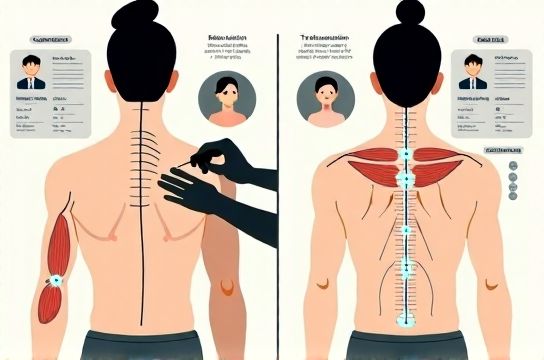
Dry needling is a modern, science-backed technique mostly used by physical therapists. It targets myofascial trigger points—those tight, painful bundles in your muscles that feel like little marbles under the skin. A thin filament needle goes straight into the knot to release tension and reduce pain.
Here’s the kicker: it’s called “dry” because no medication is injected (unlike “wet” injections). The needle itself stimulates a healing response.
And What About Acupuncture?
Acupuncture, on the other hand, comes from over 2,500 years of Traditional Chinese Medicine. It’s based on the concept of Qi (pronounced “chee”)—energy flowing through meridians in your body. Inserting needles at specific points aims to balance this energy and treat everything from stress to digestive issues and chronic pain.
While both use similar-looking needles, their philosophy, training, and application differ massively.
Head-to-Head: Dry Needling vs Acupuncture
| Feature | Dry Needling | Acupuncture |
|---|---|---|
| Origin | Modern Western medicine (1940s+) | Traditional Chinese Medicine (~2500 BC) |
| Purpose | Relieve muscle pain & improve movement | Balancing energy, treating holistic health |
| Training Required | PTs with 200–300 hrs certification | Licensed acupuncturists (3–4 yrs grad program) |
| Needle Placement | Directly into trigger points | Along energy meridians (may not be near pain) |
| Scientific Backing | Strong for musculoskeletal pain | Moderate; growing evidence for pain & anxiety |
Which One Works Better?
It depends. For athletes or people with back/shoulder/knee pain due to overuse, dry needling often delivers faster results. A 2020 meta-analysis in the Journal of Orthopaedic & Sports Physical Therapy found dry needling reduced muscle tenderness by 60–70% compared to sham treatments.
But if you're dealing with insomnia, anxiety, or hormonal imbalances, acupuncture might be more effective thanks to its systemic approach. The NIH recognizes acupuncture as helpful for conditions like chronic pain, migraines, and chemotherapy-induced nausea.
Side Effects & Safety
Both are generally safe when done by pros. Minor bruising or soreness happens. Dry needling has a slightly higher risk of pneumothorax (lung puncture) if done incorrectly on upper back/shoulders—but this is rare with trained providers.
Final Verdict
Choose dry needling for fast, targeted relief from muscle knots and sports injuries. Pick acupuncture for broader wellness goals or if Western medicine hasn’t helped. Don’t knock either until you’ve tried the right one for your issue.