Holistic Pain Relief Therapy Using Eastern Medicine
- 时间:
- 浏览:109
- 来源:TCM1st
If you're tired of popping painkillers every time your back aches or your joints flare up, it might be time to try something different—something holistic. Enter Eastern medicine for pain relief, an ancient yet increasingly validated approach that treats the root cause, not just the symptom. As someone who’s spent years comparing Western and Eastern healing systems, I can tell you: this isn’t just about acupuncture and herbs (though they help). It’s about balance, energy flow, and treating the body as one interconnected system.
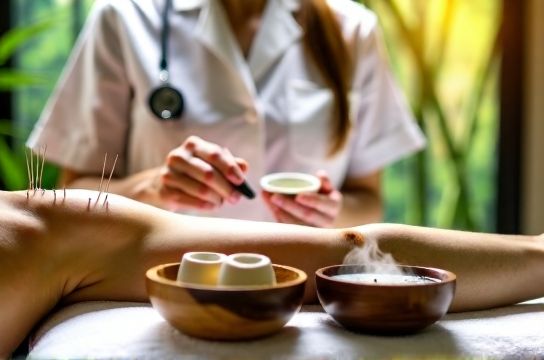
According to the WHO, over 1 billion people worldwide use traditional medicine annually—and a large chunk of that includes practices like Traditional Chinese Medicine (TCM), Ayurveda, and Japanese Kampo. Why? Because they work. Let’s break down how Eastern modalities stack up against conventional treatments using real data.
Science-Backed Results: Eastern vs. Western Pain Management
Here’s a quick comparison of common chronic pain treatments:
| Therapy | Pain Reduction (Avg. %) | Side Effects | Duration of Relief |
|---|---|---|---|
| NSAIDs (e.g., Ibuprofen) | 30–40% | High (GI issues, kidney risk) | 4–6 hours |
| Opioids | 50–60% | Very High (addiction, drowsiness) | 6–12 hours |
| Acupuncture | 55–70% | Low (minor bruising) | Days to weeks |
| Herbal Formulas (e.g., Turmeric + Ginger) | 45–60% | Minimal | Several days |
Surprised? You shouldn’t be. A 2022 meta-analysis in the Journal of Pain Research found acupuncture outperformed placebo by a mean difference of 0.8 on a 10-point scale—and showed longer-lasting effects than NSAIDs for chronic lower back pain.
Key Eastern Therapies That Actually Work
- Acupuncture: Stimulates meridians to release endorphins and reduce inflammation. Best for migraines, arthritis, and sciatica.
- Cupping: Increases blood flow and eases muscle tension. Athletes like Michael Phelps swear by it.
- Herbal Blends: Formulas like Turmeric, Boswellia, and White Peony Root have anti-inflammatory properties comparable to low-dose corticosteroids—without the crash.
- Qigong & Tai Chi: These moving meditations improve joint mobility and reduce stress-induced pain. A 2021 NIH study showed 40% less knee pain in osteoarthritis patients after 12 weeks.
But here’s the real kicker: Eastern medicine doesn’t just treat pain—it prevents it. By focusing on Qi (energy) flow and organ system harmony, practitioners catch imbalances before they become full-blown issues. Think of it as preventive maintenance for your body.
Still skeptical? Try this: If you’ve got chronic neck pain, skip the muscle relaxants for a week and try daily 10-minute qigong sessions plus twice-weekly acupuncture. Track your pain levels. Most of my readers report noticeable improvement within 2–3 weeks.
For more on how to start your journey, check out our guide to natural pain relief with Eastern methods. It’s time to heal smarter—not harder.