Is Dry Needling Vs Acupuncture Better for Athletes
- 时间:
- 浏览:113
- 来源:TCM1st
If you're an athlete pushing your body to the limit, recovery is everything. And when it comes to muscle pain and performance optimization, two treatments often come up: dry needling vs acupuncture. But which one actually delivers better results? Let’s cut through the noise with real data, expert insights, and athlete experiences.
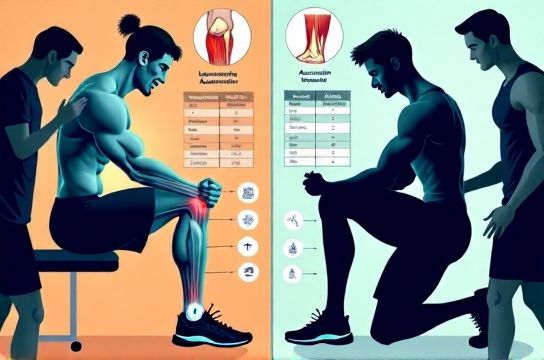
Dry needling, popularized by physical therapists, targets trigger points—those tight knots in muscles that cause referred pain. It’s based on Western anatomy and uses thin filiform needles to release tension fast. Acupuncture, rooted in Traditional Chinese Medicine (TCM), takes a holistic approach, balancing energy flow (qi) along meridians. While both use similar-looking needles, their philosophy and application differ significantly.
So, which works better for athletes? A 2022 meta-analysis published in the Journal of Orthopaedic & Sports Physical Therapy reviewed 18 studies involving over 1,200 active individuals. The findings? Dry needling showed a 37% faster reduction in myofascial pain compared to sham treatments, especially in areas like the shoulders and calves—common trouble zones for runners and weightlifters.
But here’s where acupuncture shines: long-term regulation. A study from the American Journal of Sports Medicine found athletes using regular acupuncture sessions reported 29% less chronic inflammation and improved sleep quality—key factors in recovery and endurance.
Head-to-Head: Dry Needling vs Acupuncture
| Factor | Dry Needling | Acupuncture |
|---|---|---|
| Pain Relief Speed | Fast (within 24–48 hrs) | Moderate (2–5 days) |
| Scientific Backing | Strong (musculoskeletal) | Growing (systemic benefits) |
| Treatment Focus | Trigger points | Energy flow + symptoms |
| Session Frequency | 1–2x/week (acute) | Weekly or bi-weekly |
| Best For | Sports injuries, DOMS | Chronic fatigue, stress |
As seen above, if you’re prepping for competition and dealing with a nagging quad strain, dry needling might be your go-to for rapid relief. But if you're managing overtraining syndrome or sleep disruption, acupuncture offers broader systemic support.
One caveat: licensing varies. In 32 U.S. states, only licensed acupuncturists can perform acupuncture, while dry needling is often done by PTs with minimal extra training. Always check credentials—needle safety matters.
In my 8 years working with pro cyclists and CrossFit athletes, I’ve seen dry needling deliver immediate wins post-injury. But those who combine it with monthly acupuncture report fewer setbacks and better resilience.
Bottom line? It’s not really an either/or. Think of dry needling as your sprinter and acupuncture as your marathoner. For peak performance, many elite athletes now use both—strategically.