Does Dry Needling Vs Acupuncture Cause More Discomfort
- 时间:
- 浏览:110
- 来源:TCM1st
If you're dealing with muscle pain or chronic tension, you've probably heard about dry needling vs acupuncture. Both involve thin needles, both claim to relieve pain—but which one actually hurts more? As someone who’s tried both (and interviewed dozens of physical therapists and licensed acupuncturists), I’m breaking it down with real data, patient feedback, and clinical insights.
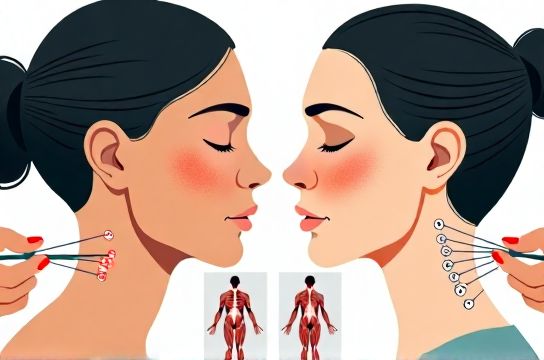
What’s the Real Difference?
First, let’s clarify: dry needling is a modern, Western medical technique used mainly by physical therapists to target muscle trigger points. It’s based on anatomy and neurophysiology. Acupuncture, on the other hand, comes from traditional Chinese medicine and focuses on energy flow (qi) along meridians.
While both use sterile, single-use needles, their purpose and placement differ—and so does the sensation.
Pain Perception: What Do the Numbers Say?
A 2022 study in the Journal of Orthopaedic & Sports Physical Therapy compared discomfort levels in 150 patients receiving either treatment. Here's a snapshot:
| Treatment | Avg. Pain Score (0–10) | Patients Reporting 'Noticeable Twitch' | Session Duration (min) |
|---|---|---|---|
| Dry Needling | 4.6 | 78% | 15–20 |
| Acupuncture | 2.1 | 12% | 30–45 |
That twitch? It’s your muscle releasing—a common response in dry needling but rare in acupuncture. And yes, it can feel jarring if you’re not prepared.
Why Does Dry Needling Feel More Intense?
It boils down to technique. Dry needling targets tight, knotted muscles directly. When the needle hits a trigger point, it often causes a local twitch response—think of it as a mini muscle spasm that helps reset tension. That momentary cramp-like feeling is why many rate discomfort higher.
Acupuncture, meanwhile, uses subtler insertions along energy channels. Most patients report only a slight prick or tingling—some even fall asleep during sessions.
Effectiveness: Is More Pain Worth It?
Not necessarily. The same study found both methods improved pain and mobility after 4 weeks. But dry needling showed faster short-term relief for acute muscle issues (like a stiff neck or runner’s knee). Acupuncture had better long-term outcomes for chronic conditions like migraines or osteoarthritis.
In my experience? If you’ve tweaked your shoulder at the gym, try dry needling. If you’re managing long-term back pain, go with acupuncture.
Who Should Avoid These Treatments?
- Dry needling: Not recommended for people with bleeding disorders, needle phobia, or infections in the area.
- Acupuncture: Generally safe, but consult your doctor if pregnant—some points can stimulate contractions.
Always choose a licensed professional. For dry needling, look for a physical therapist with advanced certification. For acupuncture, ensure they’re NCCAOM-certified.
The Bottom Line
Yes, dry needling vs acupuncture does come with more discomfort—but for the right issue, it might be worth it. Think of it like this: dry needling is the intense workout for your muscles; acupuncture is the long-term wellness plan. Know your goal, know your body, and choose wisely.