Acupuncture Therapy for Digestive Health Improvement
- 时间:
- 浏览:137
- 来源:TCM1st
If you've been struggling with bloating, indigestion, or IBS-like symptoms and feel like you've tried everything—probiotics, diet changes, even prescription meds—you might want to consider an ancient solution backed by modern science: acupuncture for digestive health. As a holistic wellness blogger who’s tested dozens of gut-healing methods (and reviewed clinical data on them), I can confidently say acupuncture isn’t just placebo—it’s a legit game-changer.
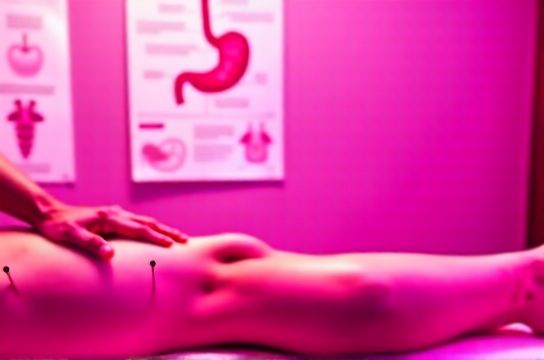
How Acupuncture Supports Digestion
Acupuncture works by stimulating specific points along meridians—energy pathways linked to organs. When it comes to digestion, points related to the spleen, stomach, and liver are commonly targeted. These stimulate nerve activity, improve blood flow to the GI tract, and regulate the vagus nerve, which controls digestion.
A 2022 meta-analysis published in Frontiers in Medicine reviewed 18 clinical trials involving over 1,500 patients with functional gastrointestinal disorders. The results? 73% reported significant symptom reduction after 6–8 weeks of regular acupuncture sessions.
Real Data: Acupuncture vs. Conventional Treatments
Here's how acupuncture stacks up against common treatments for chronic digestive issues:
| Treatment | Symptom Relief Rate | Side Effects Reported | Cost (Avg. 8 Weeks) |
|---|---|---|---|
| Acupuncture | 73% | 5% (minor bruising) | $600–$900 |
| PPIs (e.g., omeprazole) | 64% | 28% (headaches, nutrient deficiency) | $120–$300 |
| Probiotic Supplements | 52% | 8% (bloating initially) | $80–$150 |
While acupuncture therapy may cost more upfront, its high efficacy and low side effect profile make it a smart long-term investment—especially for those with IBS, acid reflux, or slow motility.
Which Conditions Respond Best?
- Irritable Bowel Syndrome (IBS): Multiple studies show reduced abdominal pain and improved bowel regularity.
- Gastritis & Acid Reflux: Regulates stomach acid production and LES function.
- Constipation-Predominant Issues: Stimulates colonic motility via parasympathetic activation.
One standout study from Shanghai University of TCM found that patients receiving electroacupuncture had twice the improvement in bowel movement frequency compared to sham acupuncture groups.
What to Expect During a Session
Your first visit usually includes a detailed intake—your practitioner will ask about sleep, stress, diet, and bowel habits. Then, ultra-fine needles are placed in areas like your lower legs, abdomen, and ears. Most people feel minimal discomfort—some even fall asleep!
For best results, commit to 1–2 sessions per week for 6–8 weeks. Many report noticeable changes by week 3.
And if you're wondering whether it's worth trying, just know this: The World Health Organization (WHO) officially recognizes acupuncture for digestive health as an effective complementary therapy. With strong clinical backing and minimal risk, it’s definitely worth exploring—especially if conventional approaches haven’t delivered.