The Truth About Dry Needling vs Acupuncture Differences
- 时间:
- 浏览:129
- 来源:TCM1st
If you've been digging into pain relief or muscle recovery options, you’ve probably heard the terms dry needling and acupuncture tossed around. They both use thin needles, they both poke your skin — so what’s the real difference? Spoiler: they’re not the same thing. Let’s break it down with real talk, backed by science and clinical experience.
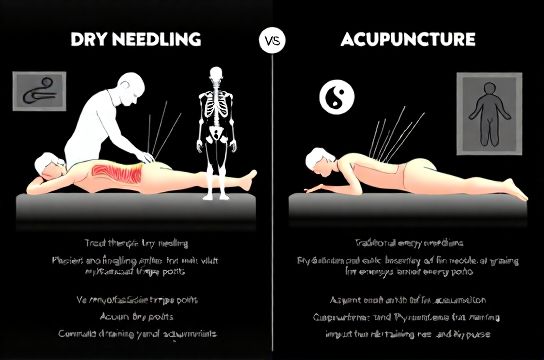
What Exactly Is Dry Needling?
Dry needling is a modern, Western medicine technique used primarily by physical therapists and trained clinicians. It targets myofascial trigger points — those tight, painful knots in your muscles that feel like someone left a Lego brick under your shoulder blade.
The goal? Release tension, reduce pain, and improve movement. The 'dry' part means no injectable medication is used — just the needle doing its job mechanically and neurologically.
And What About Acupuncture?
Acupuncture, on the other hand, has roots stretching back over 2,500 years to Traditional Chinese Medicine (TCM). It operates on the idea of balancing qi (pronounced "chee") — your body's vital energy — by stimulating specific points along meridians, or energy pathways.
While some skeptics roll their eyes at qi, modern research shows acupuncture can influence the nervous system, release endorphins, and reduce inflammation. In short: ancient theory, but increasingly supported by modern science.
Key Differences at a Glance
To make things crystal clear, here’s a comparison table based on training, purpose, and evidence:
| Feature | Dry Needling | Acupuncture |
|---|---|---|
| Origin | Western medicine (1940s–present) | Traditional Chinese Medicine (~200 BCE) |
| Primary Goal | Relieve muscle tension and pain | Balancing energy, treating systemic conditions |
| Needle Placement | Trigger points in muscles | Meridian points (may not be near pain site) |
| Practitioner | Physical therapists, doctors | Licensed acupuncturists, TCM practitioners |
| Scientific Support | Strong for musculoskeletal pain | Moderate to strong (especially for chronic pain) |
Which One Works Better?
It depends on your issue. A 2020 meta-analysis published in the Journal of Orthopaedic & Sports Physical Therapy found dry needling effective for reducing pain and improving function in patients with shoulder pain, low back pain, and neck pain — with effects lasting up to 12 weeks.
Meanwhile, the American Migraine Foundation recognizes acupuncture as a viable preventive treatment for migraines, citing studies where patients saw a 50% reduction in headache frequency after eight weeks of treatment.
So if you're dealing with a sports injury or tight IT band, dry needling might be your go-to. But if you're battling chronic headaches, insomnia, or stress-related issues, acupuncture could offer broader benefits.
Are There Risks?
Both are generally safe when done by trained pros. Minor bruising or soreness is common. Serious side effects (like pneumothorax) are extremely rare — but more associated with improper dry needling near the lungs.
Final Verdict
Dry needling is like a precision tool for muscle pain. Acupuncture is more like a full-system tune-up. You don’t have to choose one forever — many people use both at different times. Talk to a qualified provider, know your goals, and let the needles do the rest.