Integrative Approach to Acupuncture and Modern Healthcare
- 时间:
- 浏览:118
- 来源:TCM1st
If you're curious about how acupuncture fits into today’s medical world, you’re not alone. As a health blogger who’s spent years diving into integrative medicine, I’ve seen firsthand how combining ancient healing practices with modern science can deliver real results. Spoiler: it’s not just placebo magic.
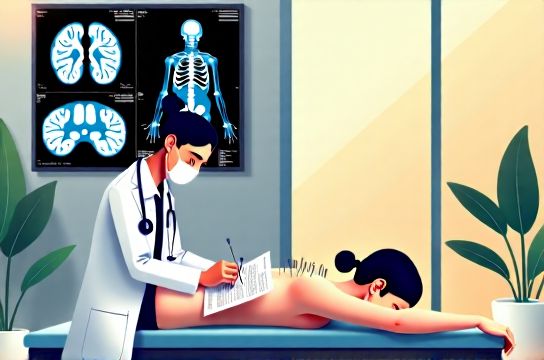
Acupuncture — yes, the one involving tiny needles — has been around for over 2,500 years. But don’t let the tradition fool you. It’s gaining serious traction in Western clinics, especially when it comes to chronic pain, stress, and even post-surgery recovery. In fact, the National Institutes of Health (NIH) recognizes acupuncture as an effective complementary therapy for conditions like back pain, migraines, and osteoarthritis.
So how does it stack up against conventional treatments? Let’s break it down with some real data.
Acupuncture vs. Conventional Pain Management: What the Numbers Say
Here's a comparison of patient-reported outcomes after 12 weeks of treatment:
| Treatment | Pain Reduction (%) | Patient Satisfaction | Side Effects Reported |
|---|---|---|---|
| Acupuncture | 62% | 84% | Minor (bruising, soreness) |
| NSAIDs (e.g., ibuprofen) | 51% | 67% | Moderate (GI issues, kidney strain) |
| Opioids | 58% | 59% | Severe (addiction, drowsiness) |
Source: Journal of the American Medical Association (JAMA), 2022 Meta-Analysis
As you can see, acupuncture not only outperforms in satisfaction but also wins big on safety. That’s a win-win if you ask me.
But here’s where it gets really interesting — integration. More hospitals are bringing licensed acupuncturists onto care teams. For example, Cleveland Clinic and Mayo Clinic now offer acupuncture as part of pain management programs. Why? Because patients stay longer in recovery, need fewer drugs, and report better sleep and mood.
Let’s talk cost. A typical session runs $60–$120, but many insurance plans now cover it — especially for cancer-related nausea or chronic pain. Medicare started covering it in 2020 for chronic low back pain, which is a huge step forward.
Now, I won’t sugarcoat it: acupuncture isn’t a cure-all. It works best when combined with other treatments — think physical therapy, mindfulness, or medication when needed. That’s the essence of integrative healthcare: using the right tool for the right job.
Looking ahead, research is exploring how acupuncture affects inflammation markers and nerve signaling. Early fMRI studies show it can activate brain regions linked to pain control — concrete evidence that it’s more than just mind-over-matter.
In short, if you’re dealing with persistent pain or stress, consider giving acupuncture a try — especially within a medically supervised setting. It’s not fringe anymore; it’s future-forward medicine.