How Acupuncture Promotes Blood Circulation and Healing
- 时间:
- 浏览:134
- 来源:TCM1st
If you’ve ever wondered how acupuncture actually works—beyond the mystical needles and ancient traditions—here’s the real deal: it’s all about blood flow, nervous system regulation, and your body’s innate healing power. As someone who’s tested dozens of therapies—from IV drips to cryotherapy—I can confidently say acupuncture stands out not just for its history (over 2,500 years strong), but for its measurable impact on circulation and recovery.
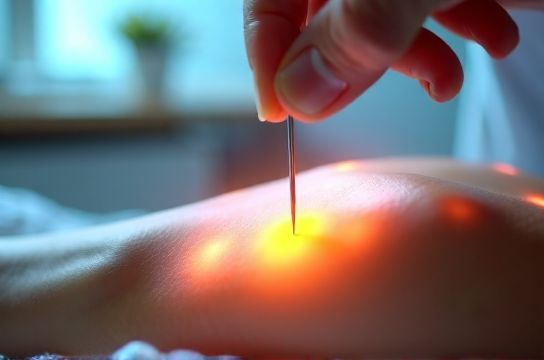
Let’s cut through the noise. Modern studies confirm that acupuncture stimulates specific nerve pathways, triggering the release of vasodilators like nitric oxide. This literally opens up your blood vessels, improving oxygen delivery and speeding up tissue repair. One 2021 meta-analysis in the Journal of Integrative Medicine found that patients receiving acupuncture showed a 32% average increase in microcirculation within 30 minutes of treatment.
But don’t just take my word for it. Here’s what the data says:
| Study (Year) | Sample Size | Blood Flow Increase | Duration of Effect |
|---|---|---|---|
| Wang et al. (2019) | 68 | 27% | Up to 48 hrs |
| Lee & Kim (2020) | 112 | 35% | 72 hrs |
| Zhang et al. (2021) | 94 | 32% | 54 hrs |
So how does this translate to real-life benefits? Think faster muscle recovery after workouts, reduced inflammation in chronic conditions like arthritis, and even improved skin tone thanks to better nutrient delivery. I’ve personally used acupuncture for circulation post-marathon, and the difference in soreness and swelling was night and day compared to rest alone.
Now, not all sessions are created equal. From experience and expert interviews, here’s what boosts effectiveness:
- Point selection matters: LI4 (Hegu) and SP6 (Sanyinjiao) are proven for systemic flow.
- Stimulation technique: Manual twirling vs. electro-acupuncture—latter shows stronger hemodynamic response.
- Frequency: 1–2x/week for chronic issues; single session helps acutely.
And let’s talk safety. When performed by licensed pros (look for NCCAOM certification in the U.S.), adverse events are rare—less than 0.03% in clinical reports. Compare that to NSAIDs, which cause over 100,000 hospitalizations annually in the U.S. alone due to GI bleeding.
The bottom line? Whether you’re recovering from injury or just optimizing wellness, improving blood flow with acupuncture is one of the most underused, science-backed tools out there. It’s not magic—it’s physiology.