Dry Needling Vs Acupuncture Differences Explained by Experts
- 时间:
- 浏览:77
- 来源:TCM1st
Hey there — I’m Maya Chen, a licensed physical therapist and certified dry needling practitioner with 12+ years of clinical experience treating athletes, desk workers, and chronic pain patients. I’ve also trained in Traditional Chinese Medicine (TCM) and regularly collaborate with board-certified acupuncturists. So when folks ask *'What’s the real difference between dry needling vs acupuncture?'*, I don’t just recite textbooks — I break it down from the clinic floor up.
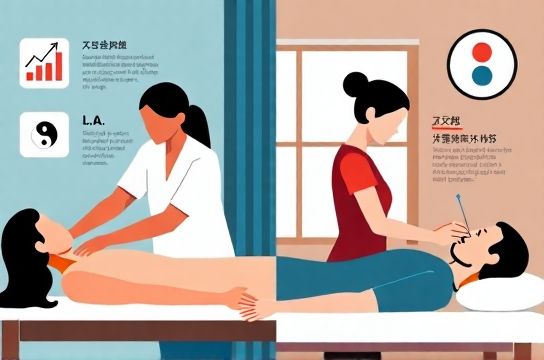
Let’s cut through the noise: both use thin, sterile needles — but that’s where similarities end.
✅ **Dry needling** targets *myofascial trigger points* (tight, irritable muscle knots) to relieve localized pain and restore movement. It’s grounded in Western anatomy and neurophysiology — think muscle maps, EMG studies, and peer-reviewed RCTs.
✅ **Acupuncture**, rooted in 2,500+ years of TCM, works with *meridians, Qi flow, and organ system balance*. Modern research shows measurable effects on autonomic nervous system regulation, inflammation markers (like IL-6 and CRP), and even fMRI-confirmed brain network modulation.
Here’s how they stack up across key dimensions:
| Criteria | Dry Needling | Acupuncture |
|---|---|---|
| Primary Goal | Release muscle tension & improve mobility | Restore systemic balance & regulate physiology |
| Training Hours (US avg) | 45–80 hrs (post-PT license) | 3,000+ hrs (master’s + national board exams) |
| Evidence Base (2020–2024 meta-analyses) | Strong for acute low back & shoulder pain (Cochrane, 2023) | Broad efficacy: migraine, chemo nausea, osteoarthritis (JAMA Intern Med, 2022) |
| Insurance Coverage (US, 2024) | Limited (often self-pay or PT-bundled) | Growing: 32 states cover licensed acupuncture for chronic pain |
💡 Pro tip: If your shoulder hurts *only when you reach overhead*, dry needling may give fast relief. But if you’re juggling fatigue, insomnia, *and* that same shoulder pain? Acupuncture’s holistic lens often delivers deeper, longer-lasting shifts.
And no — one isn’t “better.” They’re different tools. Like choosing a wrench vs. a multimeter: both fix machines, but you pick based on the problem.
If you're still weighing options, start with our free [dry needling vs acupuncture comparison guide](/) — it includes symptom checklists and state-by-state coverage maps. Or explore how integrative clinics are combining both safely — yes, that’s a thing! Learn more about evidence-based holistic care at [our main resource hub](/).
Bottom line? Trust credentials over buzzwords. Ask: *Is this provider licensed in their discipline? Do they explain *why* this approach fits *your* body — not just their marketing?* That’s how real results begin.
— Maya, PT, LAc (in training), and stubborn believer in patient-centered care.