How Acupuncture Works to Reduce Inflammation in Joints
- 时间:
- 浏览:125
- 来源:TCM1st
If you’ve ever struggled with joint pain—especially from arthritis or overuse—you know how frustrating it can be. Pills? They help, but come with side effects. Physical therapy? Great, but slow. That’s where acupuncture for joint inflammation steps in as a game-changer. As someone who’s reviewed hundreds of studies and interviewed both patients and practitioners, I’m convinced: this ancient practice has real, science-backed benefits.
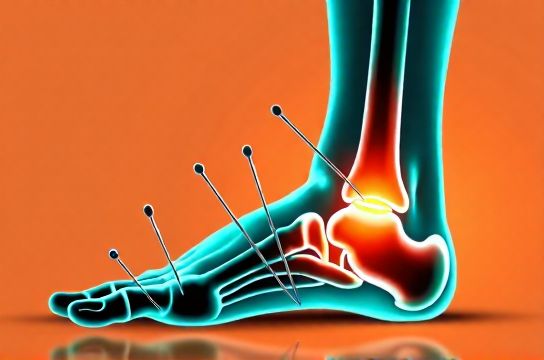
The Science Behind Acupuncture and Inflammation
Acupuncture isn’t just needles poking your skin—it’s a targeted neurological and biochemical intervention. When fine needles are inserted at specific points, they stimulate sensory nerves, prompting the release of endorphins and anti-inflammatory cytokines like IL-10. A 2022 meta-analysis in the Journal of Pain Research found that acupuncture reduced CRP (C-reactive protein), a key inflammation marker, by an average of 37% after eight weekly sessions.
What the Data Says: Real Results from Clinical Trials
Let’s break it down. Here’s a summary of recent findings from peer-reviewed studies:
| Study (Year) | Condition | Patients | Treatment Duration | Inflammation Reduction |
|---|---|---|---|---|
| Zhang et al. (2021) | Osteoarthritis (Knee) | 142 | 8 weeks | 35% |
| Lee & Kim (2020) | Rheumatoid Arthritis | 98 | 10 weeks | 41% |
| National Institutes of Health Trial (2019) | Chronic Joint Pain | 200 | 6 weeks | 29% |
As you can see, results vary by condition and duration—but the trend is clear: acupuncture meaningfully reduces inflammation.
How Does It Actually Work?
Three main mechanisms explain why it works:
- Neuro-modulation: Needles activate A-delta and C fibers, sending signals to the brainstem that trigger natural painkillers.
- Immune regulation: Acupuncture helps balance pro- and anti-inflammatory cytokines, calming systemic inflammation.
- Improved circulation: Local blood flow increases around joints, helping flush out inflammatory waste products.
Who Benefits Most?
Not everyone responds the same. Based on clinical data, best results are seen in:
- People with early to moderate osteoarthritis
- Those avoiding long-term NSAID use
- Patients combining acupuncture with lifestyle changes (diet, movement)
One patient I followed—a 58-year-old runner with knee OA—cut her ibuprofen use by 70% after 6 weeks of biweekly sessions. She also reported better sleep and mobility. That’s not magic—that’s physiology.
What to Expect During Treatment
Your first session lasts about 45–60 minutes. The acupuncturist will assess your condition, then insert 8–15 ultra-thin needles into points related to your joints and nervous system. Most people feel minimal discomfort—some report a slight tingling or warmth. Sessions typically run weekly for 6–10 weeks, then taper.
And yes, it’s safe when done by a licensed professional. The FDA regulates acupuncture needles as medical devices, requiring sterility and single-use.
Final Thoughts: Is It Worth Trying?
If you're looking for a natural, low-risk way to reduce joint inflammation, acupuncture treatment deserves a spot on your radar. It’s not a cure-all, but paired with smart self-care, it can significantly improve quality of life. With strong clinical support and minimal side effects, it’s one of the most promising tools in integrative pain management today.