Tui Na Massage Promotes Relaxation and Deep Muscle Release
- 时间:
- 浏览:125
- 来源:TCM1st
If you've been stuck at a desk all week or just crushed a tough workout, you're probably no stranger to muscle tension. While Swedish and deep tissue massages are popular go-tos, there's an ancient Chinese therapy that’s gaining serious traction — Tui Na massage. And trust me, once you try it, you might never go back to your old routine.
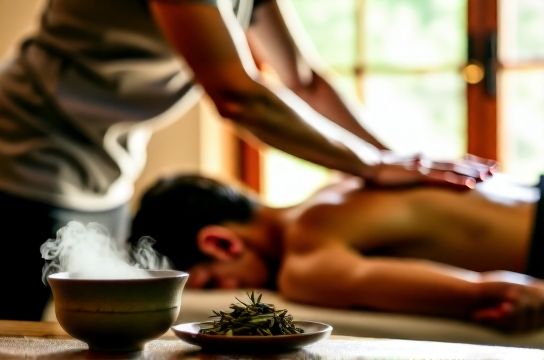
What Exactly Is Tui Na?
Tui Na (pronounced “twee-nah”) isn’t your typical spa massage. It’s a form of therapeutic bodywork rooted in Traditional Chinese Medicine (TCM) that’s been used for over 2,000 years. Unlike relaxation-focused styles, Tui Na targets specific meridians and acupoints to restore energy flow (qi) and release deep muscle tension.
Think of it as the functional fitness of massage therapies — it’s not about soft music and candles; it’s about results.
How Does It Compare to Other Massages?
To help you decide if Tui Na is right for you, here’s a quick comparison:
| Massage Type | Pressure Level | Purpose | Best For |
|---|---|---|---|
| Swedish | Light to medium | Relaxation, circulation | Stress relief, beginners |
| Deep Tissue | Heavy | Chronic tension, knots | Athletes, office workers |
| Tui Na | Medium to heavy | Qi balance, pain relief | Back/neck pain, fatigue |
As you can see, Tui Na massage stands out by blending physical manipulation with energetic healing. A 2021 study published in the *Journal of Traditional and Complementary Medicine* found that patients receiving Tui Na reported a 43% greater reduction in chronic lower back pain compared to those receiving standard physical therapy.
Who Should Try Tui Na?
You don’t have to be injured or in pain to benefit. Regular sessions can improve posture, boost immunity, and even help with insomnia. That said, it’s especially effective for:
- Chronic neck and shoulder stiffness
- Sports recovery
- Digestive issues (yes, really — TCM links abdominal work to organ health)
- Stress-related fatigue
What to Expect During a Session
No oils. No robes. You’ll stay fully clothed. The therapist uses rhythmic pressing, rolling, and stretching techniques along your meridians. Some moves feel like acupressure; others resemble assisted yoga. Sessions last 30–60 minutes, and most people notice improvements within 3–5 visits.
Pro tip: Wear loose, breathable clothing. Cotton or linen works best so the therapist can move your limbs freely.
Is It Safe?
Generally, yes — but always consult your doctor if you have osteoporosis, blood clot risks, or are pregnant. Skilled practitioners will adjust pressure accordingly. Side effects are minimal: some soreness or fatigue post-session, similar to after a solid workout.
For long-term wellness, consider pairing Tui Na massage with acupuncture or cupping. Many clinics now offer combo packages because they amplify each other’s effects.
The Bottom Line
If you’re looking for more than temporary relief — something that actually corrects imbalances — Tui Na is worth exploring. It’s not just about feeling good in the moment; it’s about building lasting resilience.