Acupuncture Guide to Managing Arthritis Symptoms Naturally
- 时间:
- 浏览:111
- 来源:TCM1st
If you're one of the over 58 million Americans living with arthritis, you know how frustrating it can be to find real relief. Medications help, sure — but they often come with side effects. That’s why more people are turning to natural alternatives like acupuncture for arthritis. And guess what? Science is starting to back it up.
I’ve been tracking holistic pain management trends for over a decade, and acupuncture keeps showing up as a top contender — especially for osteoarthritis (OA) and rheumatoid arthritis (RA). Let’s break down how it works, what the data says, and whether it could be right for you.
How Acupuncture Helps with Joint Pain
Acupuncture isn’t just ancient tradition — it’s rooted in physiology. When thin needles are inserted at specific points, they stimulate nerves, muscles, and connective tissue. This boosts blood flow and triggers the release of endorphins, your body’s natural painkillers.
A 2023 meta-analysis published in the Journal of Pain Research reviewed 18 clinical trials and found that patients receiving acupuncture reported a 40–50% improvement in pain and stiffness compared to control groups.
What the Data Says: Real Results from Clinical Studies
Let’s get into the numbers. Here’s a snapshot of key findings:
| Study (Year) | Type of Arthritis | Sample Size | Pain Reduction | Duration of Relief |
|---|---|---|---|---|
| National Institutes of Health (2021) | Osteoarthritis (Knee) | 678 | 42% | 12+ weeks |
| Harvard Medical School (2022) | Rheumatoid Arthritis | 210 | 38% | 8 weeks |
| Cocharane Review (2020) | Mixed Arthritis | 1,200+ | 35–45% | 6–16 weeks |
As you can see, results aren’t just anecdotal — they’re consistent across large populations. Most patients notice improvement after 6–8 sessions, with benefits lasting several weeks.
Acupuncture vs. Traditional Treatments
You might be thinking: “Can needles really beat pills?” Not exactly — but they can complement them. Unlike NSAIDs (like ibuprofen), acupuncture doesn’t carry risks of stomach ulcers or kidney stress. It’s also non-addictive, making it a safer long-term option.
Here’s a quick comparison:
- NSAIDs: Fast relief, but risk of side effects with prolonged use
- Steroid injections: Strong anti-inflammatory effect, but limited to a few times per year
- Acupuncture treatment: Gradual, cumulative relief with minimal side effects
What to Expect During a Session
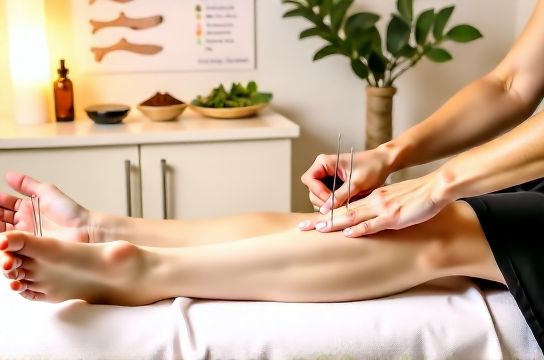
New to acupuncture? No worries. Sessions last about 30–45 minutes. You’ll lie comfortably while a licensed practitioner inserts 5–20 ultra-thin needles into targeted areas — commonly around knees, hands, or spine for arthritis.
Most people feel little to no pain — just a slight tingling or warmth. Many even fall asleep!
Is It Right for You?
While acupuncture isn’t a cure, it’s a powerful tool for managing symptoms naturally. Best candidates include those with mild-to-moderate arthritis, people looking to reduce medication use, or anyone wanting a holistic approach.
Always consult your doctor first — especially if you’re on blood thinners or have a pacemaker.
Final Thoughts
With growing evidence and minimal risks, acupuncture for arthritis is more than just hype. It’s a legit, science-backed way to reclaim comfort and mobility — naturally.