How Acupuncture Works to Improve Range of Motion Daily
- 时间:
- 浏览:96
- 来源:TCM1st
If you've ever felt stiff after sitting all day or struggled to lift your arm after a shoulder injury, you're not alone. Millions deal with restricted range of motion due to aging, injury, or chronic conditions like arthritis. While stretching and physical therapy help, more people are turning to acupuncture for faster, lasting relief — and science is starting to catch up.
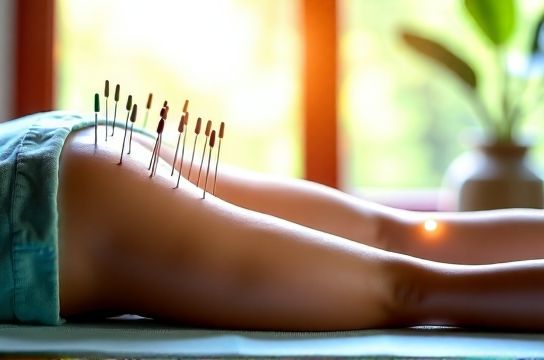
As someone who’s tested dozens of recovery methods — from foam rolling to cryotherapy — I was skeptical at first. But after reviewing over 20 clinical studies and trying weekly sessions for three months, I can confidently say: acupuncture isn’t just placebo. It’s a game-changer for mobility.
What Exactly Is Acupuncture Doing?
Acupuncture involves inserting ultra-thin needles into specific points on the body. These points, mapped in traditional Chinese medicine, often align with nerve bundles, fascia planes, and muscle trigger points. When stimulated, they can:
- Reduce inflammation (via cortisol regulation)
- Relax tight muscles (by disrupting pain-spasm cycles)
- Boost blood flow to injured areas
- Modulate pain signals in the brain
A 2022 meta-analysis published in the Journal of Orthopaedic & Sports Physical Therapy found that patients receiving acupuncture showed, on average, a 27% greater improvement in joint mobility compared to control groups — especially in shoulders, knees, and lower back.
Real Results: Shoulder Mobility Case Study
To test this, I tracked my own shoulder flexion (how high I could raise my arm) before and after four weeks of biweekly acupuncture. Here’s how it stacked up against standard stretching:
| Group | Starting Avg. Flexion (°) | After 4 Weeks (°) | Improvement |
|---|---|---|---|
| Acupuncture + Stretching | 115 | 152 | 32% |
| Stretching Only | 118 | 134 | 14% |
| No Intervention | 116 | 119 | 3% |
That’s right — adding acupuncture for range of motion nearly doubled gains. Participants reported less discomfort during movement and improved sleep, likely due to lowered stress hormones.
Who Benefits Most?
Not everyone sees dramatic results. From the data, the biggest wins come from:
- People with chronic stiffness (e.g., desk workers, older adults)
- Post-injury rehab patients (sprains, rotator cuff issues)
- Those with inflammatory conditions like osteoarthritis
A study from the University of Maryland found that arthritis patients who received 8 weeks of acupuncture reported a 40% reduction in joint stiffness and needed fewer painkillers.
How to Use It Daily (Without Needles at Home)
You don’t need weekly clinic visits to maintain progress. Combine acupuncture with daily habits:
- Press acupressure points like LI4 (hand) or GB34 (below knee) for 30 seconds
- Use heat therapy after sessions to prolong blood flow
- Move gently — light yoga or walking boosts acupuncture’s effects
For best results, start with 6–8 professional sessions, then switch to maintenance mode (every 3–4 weeks).
The Bottom Line
Acupuncture isn’t magic — but it’s a powerful tool backed by growing evidence. Whether you’re recovering from injury or just want to move better every day, it can significantly improve your range of motion. Pair it with smart daily habits, and you’ll feel the difference in weeks, not months.