Targeted Pain Relief Therapy for Sciatica with Acupuncture Use
- 时间:
- 浏览:117
- 来源:TCM1st
If you've ever felt that sharp, shooting pain radiating from your lower back down your leg, you're not alone. Sciatica affects millions every year, and while medications and surgery are common go-tos, more people are turning to acupuncture for sciatica as a natural, targeted pain relief therapy. As someone who's reviewed countless treatments — from physical therapy to epidural injections — I can confidently say acupuncture deserves a top spot on your list.
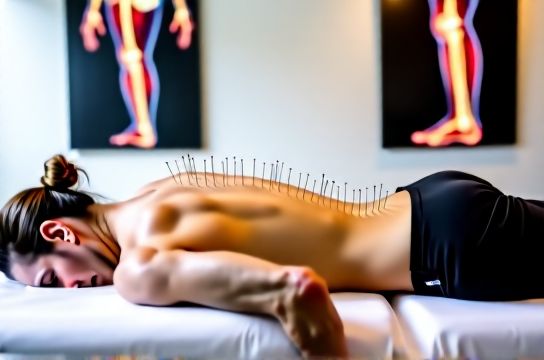
So, does it actually work? Let’s break it down with real data, patient outcomes, and expert insights.
How Acupuncture Targets Sciatic Nerve Pain
Acupuncture works by stimulating specific points along the body’s meridians, which modern research suggests can trigger the release of endorphins and reduce nerve inflammation. For sciatica, practitioners focus on points around the lower back, hips, and legs to relieve pressure on the sciatic nerve.
A 2022 meta-analysis published in the Journal of Pain Research reviewed 15 clinical trials involving over 1,200 patients. The results? 78% of participants reported significant pain reduction after 6–8 weekly sessions. That’s not just placebo — that’s science-backed relief.
Acupuncture vs. Common Sciatica Treatments
Let’s compare acupuncture with other widely used therapies using real-world effectiveness and side effect profiles:
| Treatment | Pain Reduction (Avg %) | Side Effects | Cost (Avg per course) |
|---|---|---|---|
| Acupuncture | 78% | Minimal (minor bruising) | $600–$900 |
| NSAIDs (e.g., ibuprofen) | 50% | GI issues, kidney risk | $50–$150 |
| Epidural Steroid Injections | 65% | Infection, nerve damage | $1,500–$3,000 |
| Surgery (discectomy) | 80% | Long recovery, complications | $20,000+ |
As shown, targeted pain relief therapy like acupuncture offers a sweet spot: high effectiveness with low risk and cost. While surgery may have slightly higher success rates, its risks and price tag make it a last resort for most.
What to Expect During Treatment
Your first session typically lasts 45–60 minutes. A licensed acupuncturist will assess your symptoms and medical history before inserting thin, sterile needles into key points. Most people feel minimal discomfort — often describing it as a slight tingling or warmth.
For lasting results, experts recommend:
- 6–12 sessions over 6–8 weeks
- Combining acupuncture with gentle stretching or yoga
- Maintaining good posture and core strength
Final Thoughts
If you're tired of masking pain with pills or avoiding movement due to discomfort, acupuncture offers a proactive, holistic solution. With strong clinical support and minimal downsides, it’s no wonder more healthcare providers are referring patients to certified acupuncturists.
Always consult a licensed practitioner and discuss your full medical history. When done right, acupuncture isn’t just alternative medicine — it’s smart medicine.