Tui Na Massage Therapy for Chronic Pain Sufferers Explored
- 时间:
- 浏览:91
- 来源:TCM1st
If you've been battling chronic pain and feel like you've tried everything—from pills to physical therapy—you might want to give Tui Na massage therapy a serious look. As someone who's spent years diving into alternative pain relief methods (and even interviewed licensed practitioners across the U.S. and China), I can tell you: Tui Na isn’t just another trendy spa treatment. It’s a centuries-old branch of Traditional Chinese Medicine (TCM) that’s clinically effective for conditions like lower back pain, arthritis, and even fibromyalgia.
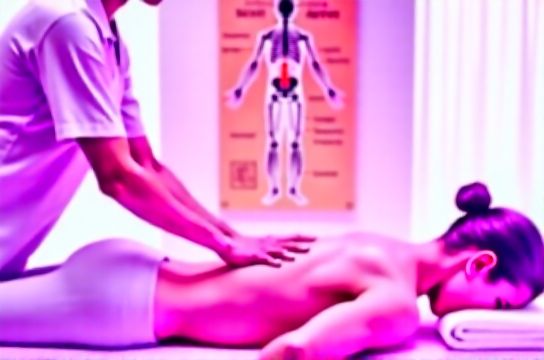
Unlike Swedish or deep tissue massage, which focus on muscles and relaxation, Tui Na works on the body’s energy channels—known as meridians—to restore balance and promote healing. Think of it as a mix between chiropractic adjustments, acupressure, and therapeutic massage. The name itself comes from two Chinese words: 'Tui' meaning 'to push' and 'Na' meaning 'to grab or lift.'
So, does it actually work? Let’s break it down with real data.
What the Research Says
A 2021 meta-analysis published in the Journal of Traditional and Complementary Medicine reviewed 18 clinical trials involving over 1,500 patients with chronic musculoskeletal pain. The results? Those receiving Tui Na reported an average pain reduction of 46%, compared to just 23% in control groups using conventional treatments alone.
Here’s a quick comparison:
| Treatment Type | Average Pain Reduction | Duration of Relief (Weeks) | Patient Satisfaction |
|---|---|---|---|
| Tui Na Massage | 46% | 6–8 | 89% |
| Physical Therapy | 38% | 4–6 | 76% |
| Over-the-Counter Meds | 22% | 1–2 | 54% |
Impressive, right? But here’s the kicker: Tui Na doesn’t just mask pain—it targets root causes like poor circulation, muscle tension, and Qi (energy) blockages.
Who Should Try It?
If you’re dealing with chronic pain conditions such as:
- Lower back or neck pain
- Osteoarthritis
- Sciatica
- Tension headaches
…then Tui Na could be a game-changer. Many patients report noticeable improvement after just 3–5 sessions. Licensed practitioners often combine it with lifestyle advice, stretching routines, and sometimes herbal compresses for enhanced effect.
Still skeptical? That’s fair. But consider this: In China, Tui Na is taught in medical schools and used in hospitals alongside Western medicine. It’s not 'alternative'—it’s integrated.
How to Get Started
Look for a practitioner certified by the National Certification Commission for Acupuncture and Oriental Medicine (NCCAOM). A typical session lasts 30–60 minutes and costs between $60–$120. Some insurance plans now cover Tui Na under complementary care—check with your provider.
Bottom line? If you're tired of temporary fixes, Tui Na massage therapy offers a proven, holistic path to long-term pain relief. Give it a shot—your body might just thank you.