Acupuncture Guide to Understanding Needles and Safety Measures
- 时间:
- 浏览:99
- 来源:TCM1st
So you're thinking about trying acupuncture? Awesome choice. As someone who’s been deep in holistic wellness for over a decade — both as a practitioner and a blogger — I’ve seen how this ancient practice can seriously transform people’s health. But let’s be real: the idea of needles poking into your skin can be, well… intimidating. That’s why I’m breaking down everything you need to know about acupuncture needles and safety, so you can walk into your session feeling confident and calm.
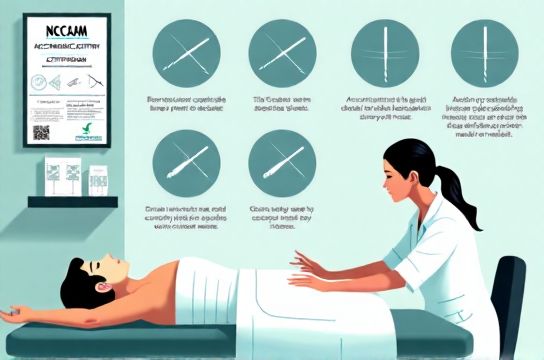
What Exactly Are Acupuncture Needles?
First things first — these aren’t your average hypodermic needles. Acupuncture needles are super thin, usually between 0.16mm to 0.46mm in diameter. To put that in perspective, they’re about as thick as a strand of hair! They’re made from stainless steel, designed for single use, and always pre-sterilized.
Here’s a quick comparison:
| Needle Type | Average Diameter (mm) | Common Use |
|---|---|---|
| Acupuncture Needle | 0.16 – 0.46 | Traditional Chinese Medicine |
| Hypodermic Needle (Insulin) | 0.45 | Medication Injection |
| Hypodermic Needle (Standard Blood Draw) | 0.7 – 1.2 | Blood Sampling |
As you can see, acupuncture needles are significantly thinner than even the smallest medical injection needles. Most people report little to no pain — just a slight tingling or dull ache, known as “de qi,” which actually means the treatment is working.
Safety First: What You Should Know
One of the biggest concerns? Infection. But here’s the good news: in the U.S. and most developed countries, licensed acupuncturists are required to use only disposable, sterile needles. The FDA regulates these needles just like any other medical device, meaning each one is used once and then safely discarded.
According to a 2022 study published in the Journal of Alternative and Complementary Medicine, adverse events from professional acupuncture are extremely rare — less than 0.03% of sessions reported minor issues like bruising or dizziness.
Licensing Matters — Don’t Skip This Step
Not all practitioners are created equal. Always check if your acupuncturist is certified by the National Certification Commission for Acupuncture and Oriental Medicine (NCCAOM). Over 98% of states require this credential for licensing. Choosing a certified pro isn’t just about skill — it’s your best defense against unsafe practices.
If you're unsure where to start, look for clinics that openly display their sterilization protocols and needle disposal methods. Transparency = trust.
Who Should Be Extra Cautious?
While acupuncture is safe for most, certain groups should consult their doctor first:
- Pregnant women (some points can stimulate contractions)
- People with bleeding disorders or on blood thinners
- Those with pacemakers (if electrical stimulation is used)
And whatever you do — never try DIY acupuncture at home. Those Amazon kits? Not worth the risk.
The Bottom Line
When done right, acupuncture safety is top-notch. With ultra-thin, sterile, single-use needles and highly trained professionals, the risks are minimal and the benefits — from pain relief to stress reduction — are backed by growing science.
So take a breath, book that appointment, and let the healing begin.