Step by Step Acupuncture Guide for Holistic Wellness
- 时间:
- 浏览:88
- 来源:TCM1st
If you’ve ever felt stuck in a wellness rut—tired all the time, stressed out, or just off—you’re not alone. As a holistic health blogger with over a decade of experience diving into alternative therapies, I’ve tried (and tested) almost every modality out there. But one practice keeps rising to the top: acupuncture. And no, it’s not just about needles and ancient traditions—it’s science-backed, effective, and surprisingly accessible.
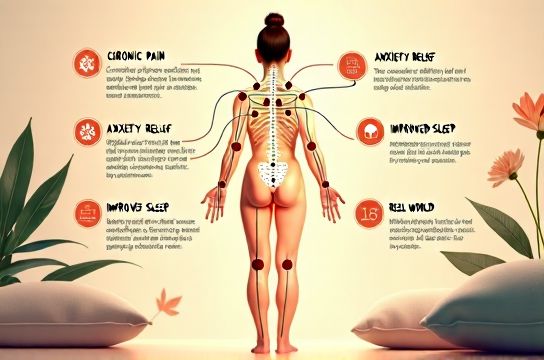
Why Acupuncture? The Real Numbers Speak
According to the National Center for Complementary and Integrative Health, more than 14 million adults in the U.S. have used acupuncture, primarily for chronic pain relief. Multiple studies, including a meta-analysis published in JAMA, show acupuncture significantly reduces chronic back pain, osteoarthritis, and even migraines compared to placebo.
But here’s the kicker: acupuncture isn’t just for pain. It’s a full-body reset button. Think better sleep, lower anxiety, improved digestion—all through stimulating specific points along your body’s energy pathways, known as meridians.
Your Step-by-Step Acupuncture Journey
- Find a Licensed Practitioner: Not all acupuncturists are created equal. Look for LAc (Licensed Acupuncturist) certification and check reviews. Bonus points if they specialize in your concern—like fertility, stress, or sports recovery.
- Initial Consultation: Expect questions about sleep, digestion, emotions—even your tongue coating! Traditional Chinese Medicine (TCM) looks at the whole picture.
- The First Session: You’ll lie down, relax, and feel… almost nothing. Most people describe the sensation as a tiny pinch or dull pressure. Needles stay in for 20–30 minutes while you chill—some clinics even play calming nature sounds.
- Follow-Up & Frequency: For chronic issues, 6–8 weekly sessions are typical. Maintenance? Once a month does wonders.
What Conditions Can Acupuncture Help With?
Beyond pain, research supports acupuncture for:
- Anxiety and depression
- Insomnia
- Allergies and asthma
- Fertility support
- Digestive disorders like IBS
To give you a clearer picture, here’s a quick overview of evidence-based benefits backed by clinical trials:
| Condition | Effectiveness (Based on Clinical Studies) | Typical Sessions Needed |
|---|---|---|
| Chronic Back Pain | 70–80% improvement | 6–10 |
| Migraine | 50% reduction in frequency | 8–12 |
| Anxiety | Moderate to high improvement | 6–8 |
| Insomnia | Noticeable improvement in 4 weeks | 4–6 |
Remember, consistency is key. One session might leave you relaxed, but real transformation happens over time. That’s why I always recommend committing to a short series before deciding if it’s right for you.
Debunking Common Myths
Myth: Acupuncture hurts.
Truth: Most patients feel less discomfort than from a blood draw. Many even fall asleep during sessions!
Myth: It’s just placebo.
Truth: fMRI studies show acupuncture activates brain regions linked to pain control and relaxation—real physiological changes.
If you're ready to explore natural healing that actually works, consider trying acupuncture for holistic wellness. It’s not magic—it’s medicine, refined over thousands of years.