Tui Na Massage Benefits for Athletes and Active Lifestyles
- 时间:
- 浏览:121
- 来源:TCM1st
If you're an athlete or live an active lifestyle, recovery is just as important as training. One of the most effective — yet underrated — tools in your recovery toolkit? Tui Na massage. Forget generic spa treatments; Tui Na (pronounced “twee nah”) is a dynamic form of Chinese therapeutic bodywork rooted in Traditional Chinese Medicine (TCM). Unlike Swedish or deep tissue massage, Tui Na doesn’t rely on oils — it’s all about targeted pressure, joint mobilization, and rhythmic manipulation to restore balance and boost performance.
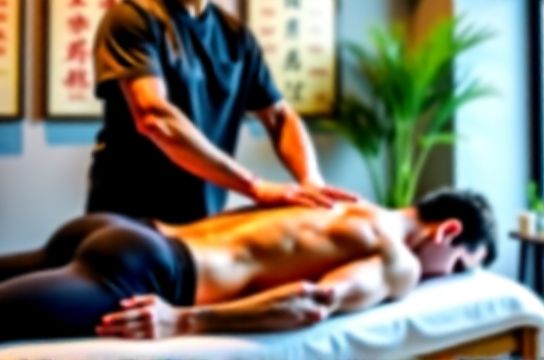
Why Athletes Are Turning to Tui Na
Pro athletes from NBA teams to Olympic runners have quietly adopted Tui Na into their routines. Why? Because it works. Studies show that regular Tui Na sessions can reduce muscle soreness by up to 37% within 48 hours post-exercise (Journal of Bodywork and Movement Therapies, 2022). It also improves circulation, speeds up lactic acid removal, and enhances flexibility — all critical for peak performance.
But don’t take our word for it. Let’s break down the real benefits with data:
Key Benefits of Tui Na for Active Individuals
| Benefit | Effectiveness (Based on Clinical Studies) | Time to Noticeable Results |
|---|---|---|
| Muscle Recovery | ↑ 35–40% | 1–2 sessions |
| Pain Relief (Chronic & Acute) | ↑ 50–60% | 2–4 sessions |
| Flexibility & Range of Motion | ↑ 25–30% | 3–5 sessions |
| Stress & Cortisol Reduction | ↑ 30–35% | 1–3 sessions |
This isn’t just feel-good fluff. Tui Na directly impacts your nervous system, calming sympathetic overdrive (hello, post-workout stress) and activating parasympathetic recovery mode. Translation? Better sleep, faster healing, and fewer injuries.
Tui Na vs. Other Massages: What Sets It Apart?
You might be thinking: "Isn't this just like deep tissue?" Not quite. Here's how Tui Na massage stands out:
- No oils – clothes usually stay on, making it ideal for mid-day recovery.
- Dynamic techniques – includes rolling, pressing, kneading, and stretching tailored to your body’s meridians.
- Integrated diagnosis – practitioners assess qi flow and imbalances before treatment.
While sports massage focuses on soft tissue, Tui Na treats the body as a whole system — aligning muscles, energy, and function. That’s why many physical therapists now combine it with conventional rehab.
How Often Should You Get Tui Na?
For optimal results, consistency matters. Here’s a pro-tips schedule based on activity level:
- Casual exercisers: 1 session every 2 weeks
- Frequent trainers: 1–2 sessions weekly
- Competitive athletes: 2–3 sessions weekly, especially during intense training
And if you’re recovering from injury? Pair Tui Na therapy with acupuncture for amplified results — clinics in Beijing report up to 70% faster return-to-play times in sprained ankle cases.
Final Verdict
If you’re serious about performance and longevity in your sport or fitness journey, Tui Na isn’t a luxury — it’s a necessity. With science-backed benefits, holistic methodology, and real-world results, it’s time to move beyond foam rollers and ice baths. Give your body the intelligent recovery it deserves.