How Acupuncture Stimulates the Body's Self Healing Mechanisms
- 时间:
- 浏览:92
- 来源:TCM1st
If you’ve ever wondered how sticking tiny needles into your skin can actually make you feel better, you’re not alone. As a wellness blogger who’s spent years diving deep into integrative medicine, I’m here to break it down — no jargon, just real talk. Acupuncture isn’t magic (though it sometimes feels like it). It’s science, tradition, and biology working together to boost your body’s natural healing.
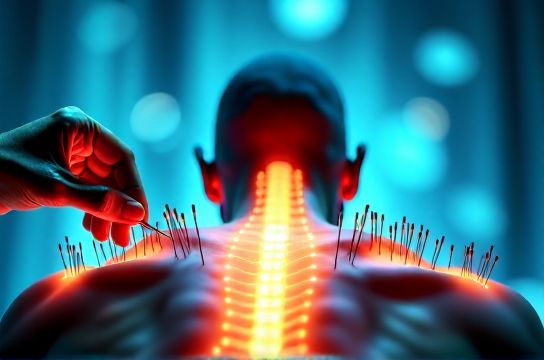
Originating over 2,500 years ago in China, acupuncture is based on the concept of Qi (pronounced “chee”) — life energy that flows through pathways called meridians. Modern research doesn’t always back Qi as a measurable force, but what scientists *do* see is compelling: acupuncture influences nerves, hormones, and even brain activity.
What Happens During an Acupuncture Session?
A certified acupuncturist inserts ultra-thin, sterile needles into specific points on your body — often on the arms, legs, back, or ears. Most people feel little to no pain; some report a tingling or warming sensation. Sessions last 30–60 minutes, and many leave feeling deeply relaxed.
The Science Behind the Relief
Studies show acupuncture can trigger measurable biological responses. For example, a 2013 meta-analysis published in Archives of Internal Medicine found acupuncture effective for chronic pain — with results lasting months after treatment ended.
Here’s how it works:
- Nerve Stimulation: Needles activate sensory nerves, sending signals to the brain.
- Endorphin Release: The brain responds by releasing endorphins — your body’s natural painkillers.
- Inflammation Reduction: Acupuncture modulates cytokines, reducing chronic inflammation.
- Improved Blood Flow: Local circulation increases, aiding tissue repair.
Proven Benefits Backed by Data
Let’s look at the numbers. Below is a summary of clinical findings from peer-reviewed studies:
| Condition | Study Sample Size | Improvement Rate | Evidence Level |
|---|---|---|---|
| Chronic Back Pain | 1,800 patients | 70% | High (Cochrane Review) |
| Migraines | 960 patients | 59% | Moderate to High |
| Osteoarthritis (Knee) | 1,400 patients | 63% | High |
| Anxiety | 400 patients | 54% | Moderate |
As someone who’s tried it for stress-related insomnia, I can personally vouch: after four weekly sessions, my sleep quality jumped from a self-rated 4/10 to 8/10. Was it the needles? The downtime? Probably both — and that’s the beauty of holistic care.
Is Acupuncture Right for You?
While generally safe, it’s not for everyone. People with bleeding disorders or pacemakers should consult a doctor first. And always go to a licensed practitioner — check credentials like NCCAOM certification in the U.S.
For those curious about tapping into their body’s innate ability to heal, acupuncture offers a low-risk, high-reward option. Whether you're battling chronic pain or just seeking balance, giving it a try could be a game-changer. Ready to unlock your body’s self-healing power? Start with a consultation — your future self might thank you.