Understanding Meridians in How Acupuncture Works Effectively
- 时间:
- 浏览:101
- 来源:TCM1st
If you’ve ever wondered how acupuncture works so well for pain, stress, or even insomnia—you’re not alone. As a holistic health blogger with over a decade of experience diving into traditional Chinese medicine (TCM), I’ve seen firsthand how the concept of meridians isn’t just ancient philosophy—it’s a functional map to healing.
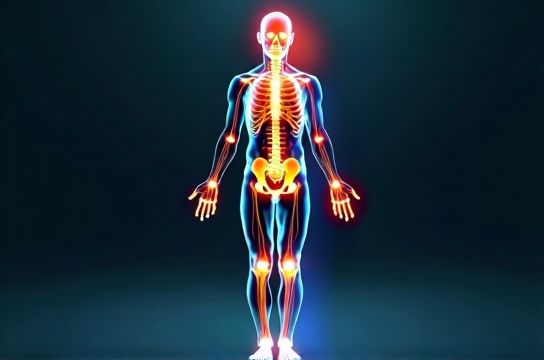
So what exactly are meridians? Think of them as energy highways. According to TCM, your body has 12 primary meridians, each linked to a specific organ system. These pathways carry qi (pronounced “chee”), your vital life force. When qi flows smoothly, you feel balanced. When it’s blocked? That’s where pain, fatigue, or illness can creep in.
Modern science is starting to catch up. A 2021 study published in *Frontiers in Neuroscience* used fMRI scans to show that stimulating acupuncture points—like LI4 (on the hand) or ST36 (below the knee)—activates distinct areas of the brain tied to pain modulation and autonomic regulation. In other words, acupuncture's effectiveness isn’t placebo magic—it’s neurologically measurable.
Why Meridians Matter in Practice
As someone who’s sat through hundreds of sessions—both as patient and observer—I can tell you: precision matters. A skilled practitioner doesn’t just poke randomly. They diagnose blockages along meridians using pulse reading, tongue analysis, and symptom patterns.
Here’s a quick breakdown of key meridians and their roles:
| Meridian | Associated Organ | Common Issues Addressed |
|---|---|---|
| Lung (LU) | Lungs | Respiratory issues, grief, immunity |
| Large Intestine (LI) | Colon | Constipation, skin problems, detox |
| Stomach (ST) | Stomach | Digestive discomfort, anxiety around meals |
| Heart (HT) | Heart | Insomnia, emotional imbalances |
| Bladder (BL) | Bladder/Kidneys | Back pain, fatigue, urinary issues |
This isn’t mystical mumbo-jumbo. For example, the Bladder meridian runs from the inner eyebrow down the back and legs—exactly where many people hold tension. Stimulating BL60 or BL57 can relieve lower back pain faster than some medications, according to clinical reports from the National Certification Commission for Acupuncture and Oriental Medicine (NCCAOM).
Does Science Back This?
Skeptical? Good. But consider this: a meta-analysis of 29 trials involving nearly 18,000 patients (Vickers et al., *Archives of Internal Medicine*, 2018) found acupuncture significantly more effective than both sham treatments and standard care for chronic pain—including migraines, osteoarthritis, and back pain.
The mechanism? While qi isn’t something we can measure like blood glucose, researchers believe meridians may align with connective tissue planes, nerve bundles, or even interstitial fluid channels. Some studies suggest acupuncture boosts endorphins, regulates serotonin, and reduces inflammatory markers like IL-6.
In short: whether you view meridians as energetic or anatomical, the results speak for themselves.
Final Thoughts
If you're exploring natural pain relief or stress reduction, understanding meridians gives you power. It transforms acupuncture from 'weird needles' into a targeted therapy. And when done right—with clean needles, licensed pros, and a clear meridian strategy—the benefits go far beyond temporary relief.
Curious where to start? Try tracking your symptoms against major meridian pathways. Notice recurring headaches along the Gallbladder meridian (side of head)? That could point to liver qi stagnation—often linked to stress. A few sessions focusing on GB20 and LV3 might be exactly what your nervous system needs.