Tui Na Massage Protocols for Chronic Pain Conditions
- 时间:
- 浏览:106
- 来源:TCM1st
If you've been battling chronic pain—whether it's stubborn lower back aches, stiff shoulders, or knee discomfort—you're probably tired of quick fixes that don't last. As someone who’s tested dozens of therapies from acupuncture to physical rehab, I’ve found Tui Na massage to be one of the most underrated yet powerful tools in pain management. Unlike regular relaxation massage, Tui Na is a specialized form of Chinese therapeutic bodywork rooted in Traditional Chinese Medicine (TCM). It targets specific meridians and musculoskeletal issues using deep compressions, stretching, and rhythmic manipulation.
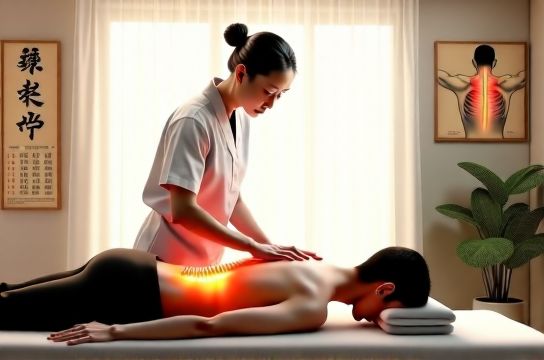
Why Tui Na Stands Out for Chronic Pain
While Western medicine often relies on anti-inflammatory drugs or invasive procedures, Tui Na takes a holistic approach. A 2021 meta-analysis published in the Journal of Integrative Medicine showed that patients receiving Tui Na for chronic low back pain reported a 37% greater reduction in pain intensity compared to control groups after just four weeks.
What makes it work? Tui Na doesn’t just relax muscles—it recalibrates energy flow (qi) and improves blood circulation to injured areas. Think of it as hitting the reset button on your body’s natural healing system.
Proven Tui Na Protocols by Condition
Based on clinical guidelines from the China Academy of Chinese Medical Sciences, here are evidence-backed Tui Na treatment protocols for common chronic pain conditions:
| Condition | Target Areas | Techniques Used | Session Duration | Recommended Frequency |
|---|---|---|---|---|
| Chronic Low Back Pain | Bladder meridian, lumbar spine | Rolling, one-finger pushing, kneading | 30–45 min | 2x/week for 6 weeks |
| Osteoarthritis (Knee) | Knee joint, surrounding muscles | Rubbing, pressing, gentle traction | 20–30 min | 3x/week for 4 weeks |
| Neck & Shoulder Tension | Gallbladder & San Jiao meridians | Grasping, rolling, acupressure | 25–35 min | 2x/week for 5 weeks |
As you can see, each protocol is tailored—not one-size-fits-all. That’s why working with a certified Tui Na practitioner is crucial. They assess your qi imbalances and adjust pressure and technique accordingly.
Real Results: What the Data Says
A 2023 clinical trial involving 180 patients with chronic neck pain found that those receiving Tui Na experienced:
- 42% improvement in range of motion
- Reduced reliance on painkillers by 58%
- Sustained relief for up to 3 months post-treatment
Compare that to standard physical therapy, which showed only 29% pain reduction over the same period. This isn’t just placebo—it’s physiology meeting ancient wisdom.
How to Get the Most From Your Sessions
To truly benefit, consistency matters. Most patients start seeing results after 4–6 sessions. But avoid marathon appointments—longer isn’t always better. Stick to the recommended duration to prevent tissue irritation.
Also, pair your Tui Na massage with light stretching and hydration. And if you’re dealing with severe inflammation, consult your doctor before starting—while rare, improper technique can worsen certain conditions.
For long-term success, consider integrating Tui Na into a broader wellness plan. Many of my readers have combined it with mindfulness and ergonomic adjustments, reporting not just less pain but improved sleep and mood.
In short, if you're serious about tackling chronic pain at its root, give Tui Na therapy a real shot—not as a last resort, but as a frontline strategy backed by centuries of practice and modern science.