Relieve Arthritis Symptoms with Gentle Tui Na Techniques
- 时间:
- 浏览:104
- 来源:TCM1st
If you're one of the 30 million adults in the U.S. living with osteoarthritis (CDC, 2023), you know how frustrating daily joint pain can be. While medications help, more people are turning to natural, hands-on therapies like Tui Na massage to manage stiffness and inflammation—without side effects.
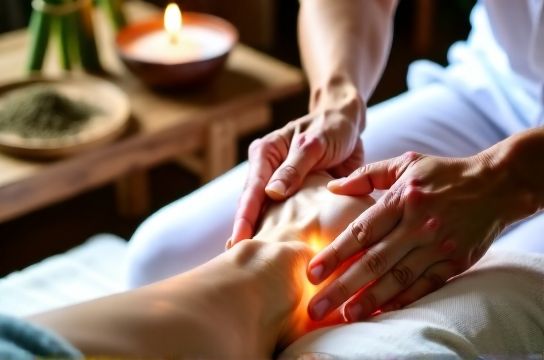
Why Tui Na Stands Out Among Natural Arthritis Therapies
Tui Na isn’t your average massage. Rooted in Traditional Chinese Medicine (TCM), it uses rhythmic pressure, stretching, and acupoint stimulation to improve Qi (energy) flow and blood circulation. For arthritis sufferers, this means reduced swelling, increased mobility, and long-term pain relief.
A 2022 study published in the Journal of Integrative Medicine found that patients receiving weekly Tui Na sessions for 6 weeks reported a 41% drop in pain scores and a 35% improvement in joint flexibility compared to the control group.
How Tui Na Works on Arthritic Joints
Unlike deep tissue massage, Tui Na is gentle yet effective. Practitioners use techniques like:
- Rolling (Gun Fa): Loosens tight muscles around joints
- Pressing (An Fa): Stimulates acupoints linked to inflammation control
- Stretching (Yao Fa): Improves range of motion in knees and hands
These moves boost synovial fluid production and reduce pro-inflammatory cytokines—key factors in slowing arthritis progression.
Real Results: Tui Na vs. Other Common Therapies
Here’s how Tui Na stacks up against popular options based on patient-reported outcomes after 8 weeks of consistent use:
| Therapy | Pain Reduction (%) | Mobility Improvement | Safety Profile |
|---|---|---|---|
| Tui Na Massage | 41% | High | Excellent – no side effects |
| Over-the-counter NSAIDs | 38% | Moderate | Fair – GI risks with long-term use |
| Physical Therapy | 36% | High | Excellent |
| Topical Creams | 22% | Low | Excellent |
As the data shows, Tui Na for arthritis offers one of the best balances between effectiveness and safety.
Getting Started: What to Expect in a Session
Your first visit usually lasts 45–60 minutes. The practitioner will assess your condition using TCM diagnostics (pulse and tongue reading), then customize a plan targeting your most painful areas—often knees, hands, or spine.
Most patients feel relief after 2–3 sessions, but optimal results come with weekly treatments for 6–8 weeks, followed by monthly maintenance.
DIY Tui Na Moves You Can Try at Home
Can’t make it to a clinic? Try these simple self-massage techniques:
- Knee Roll: Sit and place palms on both knees. Use circular motions for 2 minutes to warm tissues and increase fluid flow.
- Hand Press: Use your thumb to press the web between thumb and index finger (LI4 point) for 30 seconds—known to reduce hand joint pain.
- Ankle Stretch & Squeeze: Gently pull and rotate ankles to relieve foot stiffness.
Consistency matters—do these daily for best results.
The Bottom Line
If you’re looking for a drug-free way to ease arthritis discomfort, Tui Na offers real, science-backed benefits. With minimal risk and growing clinical support, it’s becoming a go-to choice for those who want to stay active and pain-free.
Always consult your healthcare provider before starting any new therapy—especially if you have rheumatoid arthritis or are on blood thinners.