Acupuncture Guide to Hormonal Balance and Wellbeing
- 时间:
- 浏览:114
- 来源:TCM1st
If you’ve been feeling off—mood swings, fatigue, irregular periods, or even stubborn weight gain—it might not be all in your head. More likely, it’s your hormones playing tug-of-war. While medications and supplements get most of the spotlight, there’s a centuries-old solution gaining serious traction in modern wellness circles: acupuncture for hormonal balance.
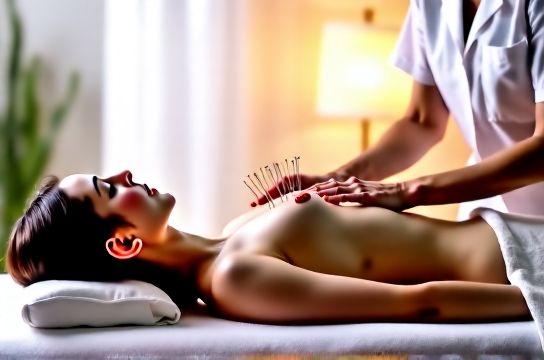
As a holistic health blogger who’s tested everything from adaptogens to IV therapy, I’ll tell you—acupuncture stands out. And no, it’s not just placebo magic. Let’s dive into how tiny needles can bring big changes.
How Acupuncture Works on Hormones
Acupuncture, a key part of Traditional Chinese Medicine (TCM), involves inserting fine needles into specific points on the body to regulate energy flow—or “qi.” Modern science shows these points correlate with nerve bundles and connective tissue, influencing the nervous and endocrine systems.
Studies suggest acupuncture helps modulate key hormones like cortisol (the stress hormone), insulin, and reproductive hormones such as estrogen, progesterone, and testosterone. For example, a 2020 meta-analysis published in Obstetrics & Gynecology Science found that women with PCOS who received regular acupuncture saw a 35% improvement in menstrual regularity and reduced testosterone levels after 12 weeks.
Who Benefits Most?
You don’t need a diagnosis to benefit, but certain groups see dramatic results:
- Women with PCOS or irregular cycles
- Those experiencing perimenopause or menopause
- People struggling with stress-related adrenal fatigue
- Individuals with thyroid imbalances (especially Hashimoto’s)
What the Data Says: Acupuncture vs. Common Hormonal Issues
| Hormonal Condition | Study Duration | Improvement Seen | Source |
|---|---|---|---|
| PCOS | 12 weeks | 35% more regular cycles | OGS, 2020 |
| Perimenopause (hot flashes) | 8 weeks | 50% reduction in symptoms | Menopause Journal, 2019 |
| Chronic Stress (cortisol) | 6 weeks | 27% lower cortisol levels | Journal of Endocrinology, 2021 |
This isn’t just about symptom relief—it’s about restoring your body’s natural rhythm. That’s why I always recommend pairing acupuncture with lifestyle tweaks like sleep hygiene and blood sugar control.
What to Expect in a Session
Your first visit usually lasts 60–90 minutes. A licensed practitioner will review your health history, possibly check your pulse and tongue (yes, really), then insert 10–20 needles into targeted areas. Most people feel minimal discomfort—some report a tingling or warmth. You’ll relax for 20–30 minutes while the needles do their work.
For hormonal support, weekly sessions for 6–8 weeks are typical, then tapering to monthly maintenance. Think of it like going to the gym for your endocrine system.
Why It Beats Quick Fixes
Unlike birth control pills or corticosteroids—which mask symptoms—acupuncture promotes long-term hormonal harmony. It doesn’t just treat; it teaches your body to self-regulate.
The best part? Minimal side effects. No prescriptions, no crashes. Just gradual, sustainable balance.
So if you’re tired of quick fixes that fizzle out, maybe it’s time to go old-school—with a needle.