Acupuncture Meaning in Traditional Chinese Medicine
- 时间:
- 浏览:98
- 来源:TCM1st
If you’ve ever winced through a tension headache or struggled with chronic back pain, chances are someone’s suggested acupuncture. But what’s the real acupuncture meaning in traditional Chinese medicine? Is it just needles and placebo, or is there science-backed magic beneath the surface?
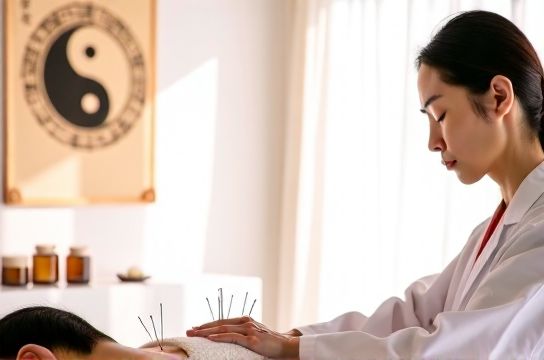
As a holistic health blogger who’s tested everything from cupping to herbal tonics, I’m here to break down acupuncture like your favorite wellness guru—with facts, flair, and zero fluff.
What Exactly Is Acupuncture?
At its core, acupuncture is a therapy rooted in Traditional Chinese Medicine (TCM) that involves inserting ultra-thin needles into specific points on the body—called acupoints. These points lie along energy pathways known as meridians, which TCM believes carry qi (pronounced “chee”), your vital life force.
When qi flows freely, you feel balanced and healthy. When it’s blocked? Hello, pain, fatigue, insomnia—the works.
The Science Meets Tradition
Skeptical? You’re not alone. But modern research is catching up. The National Institutes of Health (NIH) recognizes acupuncture as an effective complementary treatment for conditions like:
- Chronic pain (back, neck, osteoarthritis)
- Migraines and tension headaches
- Nausea from chemotherapy
- Anxiety and depression
A 2018 meta-analysis published in JAMA reviewed over 20,000 patients and found acupuncture significantly reduced chronic pain compared to sham treatments and no treatment at all.
How Does It Work? Two Perspectives
| TCM View | Western Medical View |
|---|---|
| Restores balance of qi by unblocking meridians | Stimulates nerves, muscles, and connective tissue, boosting blood flow and triggering endorphin release |
| Treatment tailored to individual’s energy pattern | Neuro-modulation: affects pain-processing areas in the brain (seen in fMRI scans) |
Interestingly, both views converge on results—even if they start from different philosophies.
What Conditions Can Acupuncture Help With?
Based on clinical guidelines and patient outcomes, here’s a snapshot of effectiveness:
| Condition | Effectiveness (Evidence Level) | Typical Sessions Needed |
|---|---|---|
| Chronic Low Back Pain | High — Cochrane Review supported | 6–12 sessions |
| Migraine Prevention | Moderate to High | 8–10 sessions |
| Post-Operative Nausea | High — especially P6 point | 1–3 sessions |
| Anxiety | Moderate — best combined with therapy | Weekly for 4–6 weeks |
What to Expect During a Session
Your first visit usually lasts 60–90 minutes. The practitioner will assess your health history, tongue appearance, and pulse quality (yes, really). Then comes the needle work—typically 5–20 needles placed gently across arms, legs, back, or ears.
Most people report minimal discomfort—some feel a slight tingling or warmth. Many even fall asleep!
Is Acupuncture Safe?
When performed by a licensed professional using sterile, single-use needles, acupuncture is extremely safe. Side effects are rare but can include minor bruising or dizziness.
Pro tip: Always check credentials. In the U.S., look for L.Ac. (Licensed Acupuncturist) and certification from the National Certification Commission for Acupuncture and Oriental Medicine (NCCAOM).
Final Thoughts
Understanding the true acupuncture meaning in traditional Chinese medicine goes beyond needles—it’s about viewing the body as an interconnected system. Whether you're chasing pain relief or emotional balance, it’s a low-risk, high-reward tool worth exploring.
Curious? Book a session, keep an open mind, and let your body do the talking.