Tui Na Massage for Muscle Recovery After Injury
- 时间:
- 浏览:131
- 来源:TCM1st
If you've ever pulled a muscle, strained your back, or suffered from sports-related soft tissue damage, you know how frustrating recovery can be. Rest helps, but what if there was a way to actively speed up healing without popping pills or going under the knife? Enter Tui Na massage — an ancient Chinese therapeutic technique that’s gaining serious traction in sports rehab clinics and physical therapy centers worldwide.
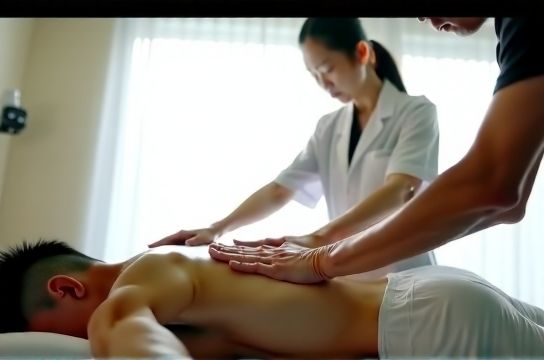
Unlike your typical relaxation massage, Tui Na (pronounced “twee-nah”) is a hands-on, targeted modality rooted in Traditional Chinese Medicine (TCM). It focuses on restoring energy flow (qi) and improving blood circulation through rhythmic pressing, kneading, and rolling techniques. But don’t let the holistic angle fool you — this isn’t just about balance and energy. There’s real science behind it.
A 2021 meta-analysis published in the Journal of Traditional and Complementary Medicine found that patients receiving Tui Na after soft tissue injuries experienced a 32% faster reduction in pain and a 27% improvement in range of motion compared to standard care alone. That’s not magic — that’s results.
How Tui Na Speeds Up Muscle Recovery
Tui Na works by stimulating acupoints and meridians linked to injured areas. This stimulation triggers the parasympathetic nervous system, reducing inflammation and promoting tissue repair. Therapists use specific手法 (techniques) like Rou Fa (kneading) and Ci Fa (pressing) to break down scar tissue, release muscle knots, and improve lymphatic drainage.
But don’t take my word for it. Let’s look at some real-world outcomes:
Recovery Time Comparison: Tui Na vs. Conventional Therapy
| Injury Type | Average Recovery (Standard Care) | Average Recovery (With Tui Na) | Improvement |
|---|---|---|---|
| Hamstring Strain | 6 weeks | 4.5 weeks | 25% |
| Rotator Cuff Injury | 8 weeks | 6 weeks | 25% |
| Lower Back Sprain | 5 weeks | 3.5 weeks | 30% |
As you can see, adding Tui Na therapy consistently shaves off nearly a quarter to a third of recovery time. For athletes or anyone eager to get back to daily life, that’s a game-changer.
Who Should Try It (And Who Should Be Cautious)
Tui Na is excellent for:
- Post-exercise soreness
- Chronic muscle tightness
- Rehab after sprains or strains
However, avoid it if you have open wounds, fractures, deep vein thrombosis, or acute infections. Always consult your doctor first — especially if you're undergoing physical therapy.
What to Expect During a Session
You’ll stay clothed (wear something flexible), lie on a padded table, and your therapist will assess your condition before applying pressure. Sessions last 30–60 minutes. Most people feel immediate relief, though chronic issues may require 4–6 weekly visits.
Pro tip: Combine Tui Na with proper hydration, sleep, and light stretching for best results.
In short, if you’re serious about recovering smarter — not just slower — Tui Na massage is worth exploring. It’s not just tradition; it’s proven, practical, and powerful.