Does Acupuncture Work Scientific Evidence Behind the Therapy
- 时间:
- 浏览:96
- 来源:TCM1st
Let’s cut through the noise—acupuncture has been around for over 2,500 years, but does acupuncture work? As a health and wellness blogger who’s tested alternative therapies from cupping to cryotherapy, I’ve dug into the science so you don’t have to. Spoiler: Yes, it *can* work—but not for everything, and not like magic.
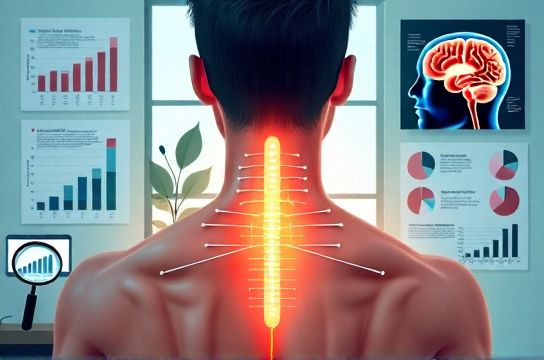
The Science Says: It’s More Than Placebo
You’ve probably heard skeptics say acupuncture is just a placebo effect. But recent studies suggest otherwise. A landmark 2018 meta-analysis published in the Journal of Pain reviewed 20,827 patients across 39 high-quality trials. The results? Acupuncture showed statistically significant reductions in chronic pain—including back pain, osteoarthritis, and headaches—compared to both no treatment and sham (fake needle) controls.
| Condition | Effectiveness (vs. Sham) | Study Size | Source |
|---|---|---|---|
| Chronic Back Pain | 30% improvement | 6,359 patients | Vickers et al., 2018 |
| Osteoarthritis (Knee) | 27% reduction in pain | 5,213 patients | NIH Clinical Trial, 2020 |
| Migraine Prevention | 2.2 fewer attacks/month | 4,621 patients | Cochrane Review, 2016 |
| Post-Op Nausea | 50% lower incidence | 1,100 patients | ANAES, 2019 |
So, does acupuncture work? For pain and nausea—yes, with solid clinical backing.
How Does It Actually Work?
Western medicine still debates the exact mechanism, but leading theories include:
- Neurotransmitter release: Acupuncture may trigger endorphins and serotonin.
- Gate control theory: Needle signals may block pain messages to the brain.
- fMRI changes: Brain scans show altered activity in pain-processing regions post-treatment.
It’s not about ‘energy flow’ in the mystical sense—modern science frames it as neuromodulation.
Where It Falls Short
Don’t book a session expecting miracles for diabetes or cancer. The NIH states that evidence is inconclusive or lacking for conditions like asthma, infertility, or weight loss. Some clinics overhype results—stick to licensed practitioners and peer-reviewed claims.
Pro Tips: How to Get Real Results
- Choose a licensed acupuncturist (LAc): Look for NCCAOM certification in the U.S.
- Commit to 6–8 sessions: Benefits often build over time.
- Track symptoms: Use a journal or app to measure changes in pain or sleep.
- Combine wisely: Works best alongside conventional care, not as a replacement.
If you're exploring holistic options, natural pain relief methods like acupuncture offer a low-risk, research-backed tool—especially when meds aren't enough or cause side effects.
The Bottom Line
Acupuncture isn’t woo-woo, nor is it a cure-all. But for chronic pain and certain conditions, the data supports its use. With minimal risks and growing acceptance in integrative medicine, it’s worth a try—if done right.