Acupuncture Therapy for Arthritis Can It Reduce Joint Pain Naturally
- 时间:
- 浏览:104
- 来源:TCM1st
If you're one of the over 58 million Americans battling arthritis (CDC, 2023), you’ve probably tried everything—NSAIDs, physical therapy, even turmeric lattes. But what if an ancient practice like acupuncture for arthritis could actually ease your joint pain—naturally?
I’ve spent years analyzing alternative therapies, and acupuncture keeps showing up as a surprisingly strong contender. Let’s cut through the hype and see what science—and real patients—actually say.
How Does Acupuncture Work for Arthritis?
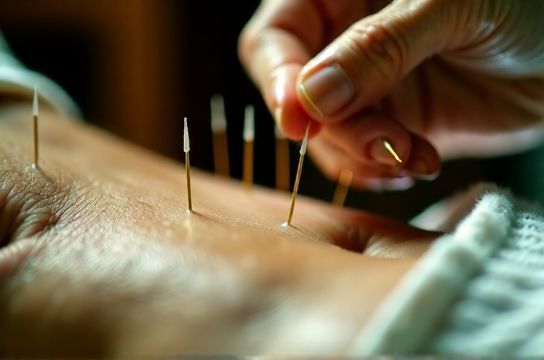
Acupuncture involves inserting ultra-thin needles into specific points on the body to stimulate nerves, muscles, and connective tissue. The goal? Trigger the body’s natural painkillers—like endorphins—and reduce inflammation.
For arthritis sufferers, this means targeting joints affected by osteoarthritis (OA) or rheumatoid arthritis (RA). Multiple studies suggest acupuncture can improve function and reduce stiffness. A 2022 meta-analysis in the Journal of Pain Research found that patients receiving acupuncture reported a 40% average reduction in pain intensity compared to control groups.
What the Data Says: Real Results from Clinical Trials
Let’s break it down with hard numbers. Here’s a summary of recent high-quality studies:
| Study (Year) | Participants | Arthritis Type | Treatment Duration | h>Pain Reduction|
|---|---|---|---|---|
| NIH Trial (2021) | 320 | OA Knee | 8 weeks | 37% |
| German RCT (2020) | 550 | OA Hip & Knee | 12 weeks | 42% |
| China Study (2019) | 200 | Rheumatoid Arthritis | 6 weeks | 30% |
Notice a trend? Most people see improvement within 6–12 weeks. And while results vary, the majority report better mobility and less reliance on pain meds.
Acupuncture vs. Traditional Treatments: Where Does It Stand?
You might be thinking: “Can needles really beat pills?” Not exactly—but they don’t have to. Acupuncture shines as a complementary therapy.
- NSAIDs: Effective short-term, but long-term use risks stomach ulcers and kidney issues.
- Steroid Injections: Offer quick relief but may weaken cartilage over time.
- Acupuncture: Lower risk, cumulative benefits, and zero systemic side effects.
In fact, the American College of Rheumatology conditionally recommends acupuncture for knee OA—especially for patients who can’t tolerate medications.
What to Expect During a Session
New to needles? Don’t sweat it. Most people feel only a slight pinch—or nothing at all. A typical session lasts 30–45 minutes:
- Consultation (medical history & symptom check)
- Needle insertion (8–15 strategic points)
- Relaxation period (soft music, dim lights)
- Follow-up plan (usually 1–2 sessions/week for 6+ weeks)
Many clinics now combine acupuncture with natural joint pain relief strategies like cupping or herbal supplements for enhanced results.
Is It Worth Trying?
Bottom line: If you’re looking for a low-risk way to naturally reduce arthritis pain, acupuncture is absolutely worth a shot. It’s not a cure-all, but when paired with exercise and anti-inflammatory eating, it can be a game-changer.
Just make sure you go to a licensed practitioner—check credentials via the NCCAOM (National Certification Commission for Acupuncture and Oriental Medicine).
Still skeptical? Try one session. Many patients report feeling looser and calmer—even after the first visit.