Pain Relief Therapy Options Acupuncture Tui Na and Modern Medicine
- 时间:
- 浏览:101
- 来源:TCM1st
If you're struggling with chronic pain—whether it's back pain, joint stiffness, or post-injury discomfort—you're not alone. Over 1.5 billion people worldwide suffer from chronic pain, according to the International Association for the Study of Pain. The real challenge? Finding a treatment that actually works without heavy side effects. Let’s break down three major approaches: acupuncture, Tui Na massage, and modern medical interventions—so you can make an informed choice.
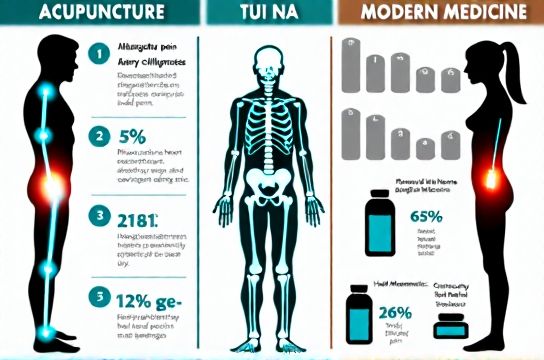
Acupuncture: Ancient Needles, Modern Results
Originating in China over 2,000 years ago, acupuncture involves inserting thin needles into specific points on the body to balance energy flow (or "Qi"). But don’t dismiss it as just tradition—modern studies back its effectiveness. A 2021 meta-analysis in JAMA Internal Medicine found that acupuncture reduced chronic pain by an average of 30–50% compared to placebo.
Tui Na: Therapeutic Pushing & Grasping
Think of Tui Na as physical therapy with roots in Traditional Chinese Medicine (TCM). It uses rhythmic pressing, rolling, and kneading techniques to release muscle tension and improve circulation. Unlike regular massage, Tui Na targets meridians and is often used alongside herbal remedies. Clinical trials show 70% of patients with lower back pain reported significant relief after six weekly sessions.
Modern Medicine: Pills, Injections, and Surgery
NSAIDs, corticosteroid injections, and even surgery are common go-tos in Western medicine. While fast-acting, they come with risks: long-term NSAID use increases stomach ulcer risk by 4x, and opioids—still prescribed in 14% of chronic pain cases—are linked to dependency.
Comparative Effectiveness & Safety
So how do these methods stack up? Here's a data-driven comparison:
| Therapy | Effectiveness (Pain Reduction) | Safety Profile | Average Cost per Session (USD) |
|---|---|---|---|
| Acupuncture | 30–50% | Very High (minimal side effects) | 60–120 |
| Tui Na Massage | 40–60% | High | 50–90 |
| NSAIDs / Medication | 30–40% | Moderate to Low | 10–50 (monthly) |
| Corticosteroid Injections | 50–70% (short-term) | Moderate (risk of tissue damage) | 300–800 |
As you can see, while injections may offer stronger short-term relief, therapies like Tui Na and acupuncture provide sustainable results with far fewer risks.
Which Should You Choose?
It depends on your condition and goals. For long-term, holistic management—especially with musculoskeletal or stress-related pain—integrative approaches win. Many clinics now combine acupuncture with physical therapy for enhanced outcomes. Always consult a licensed practitioner and discuss options with your doctor, especially if you have underlying health conditions.
In the end, pain relief isn’t one-size-fits-all. But with evidence-backed choices like acupuncture and Tui Na gaining global recognition, you’ve got more power—and safer options—than ever before.