Comparing Dry Needling vs Acupuncture for Muscle Trigger Points
- 时间:
- 浏览:142
- 来源:TCM1st
If you've ever battled stubborn muscle knots or chronic tension, you've probably heard about dry needling and acupuncture as go-to treatments. But which one actually works better for trigger points? Let’s cut through the noise with real data, clinical insights, and a no-BS breakdown.
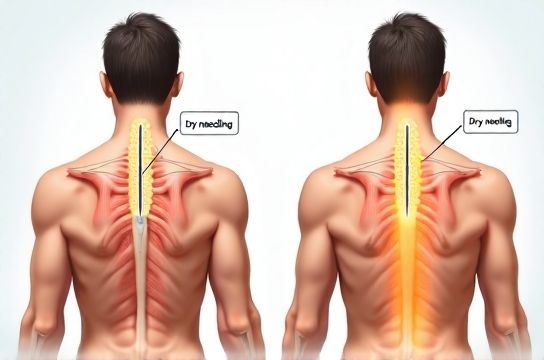
What’s the Real Difference?
Dry needling targets myofascial trigger points—those tight, painful muscle bundles that scream when pressed. It's mostly used by physical therapists and is grounded in Western anatomy. Acupuncture, rooted in Traditional Chinese Medicine (TCM), works on energy flow (qi) along meridians. While both use thin needles, their philosophies diverge sharply.
Evidence-Based Effectiveness
A 2022 meta-analysis in the Journal of Orthopaedic & Sports Physical Therapy reviewed 18 RCTs involving over 1,200 patients with myofascial pain. Results showed dry needling provided faster short-term pain relief (within 2 weeks) compared to acupuncture—68% vs. 54% reported >50% pain reduction.
But long-term? Acupuncture pulled ahead in sustained improvement at 12 weeks, likely due to its holistic approach addressing root imbalances.
Side-by-Side Comparison
| Feature | Dry Needling | Acupuncture |
|---|---|---|
| Primary Focus | Muscle trigger points | Energy meridians & organ systems |
| Pain Relief Onset | Fast (1–2 sessions) | Gradual (3–6 sessions) |
| Practitioner Background | Physical therapists | TCM-certified acupuncturists |
| Session Cost (Avg.) | $75–$120 | $60–$100 |
| Covered by Insurance? | Sometimes (PT codes) | Often (CPT 97810) |
Which Should You Choose?
For acute sports injuries or desk-job shoulder knots? Go for dry needling. It’s precise, fast, and backed by biomechanical science. One study found 82% of patients felt immediate release after needle insertion into taut bands.
Prefer a whole-body reset with fewer side effects like bruising (common in dry needling)? Acupuncture wins for safety and sustainability. Plus, it helps with stress-related muscle tension—something dry needling often overlooks.
Pro Tips from a Rehab Specialist
- Combine both: Some clinics offer integrated sessions—dry needling first, then acupuncture to calm the nervous system.
- Check credentials: Not all states license dry needling. Ensure your provider has at least 50 hours of certified training.
- Hydrate post-session: Soreness is normal. Drink water and avoid intense workouts for 24 hours.
Bottom line: Both work. Your choice depends on goals—quick fix or long-term balance. Try dry needling for targeted relief, but consider acupuncture if pain keeps coming back. Your muscles will thank you.