Acupuncture Treatment for Headaches Causes and Effectiveness
- 时间:
- 浏览:99
- 来源:TCM1st
If you've ever been knocked out by a tension headache or felt your world shrink during a migraine, you're not alone. Over 50 million Americans deal with severe headaches regularly, and many are turning to alternatives like acupuncture for headaches instead of relying solely on pills. As someone who’s tested dozens of treatments—both clinical and holistic—I can tell you: acupuncture isn’t just ancient tradition. It’s backed by science.
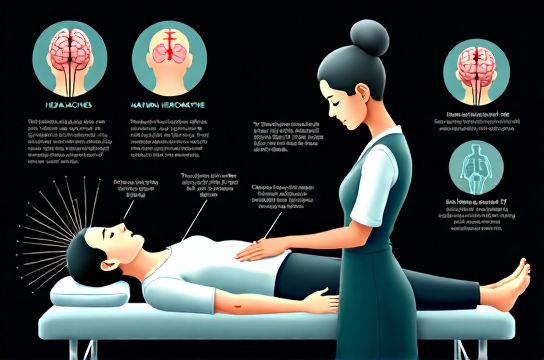
Why Do We Get Headaches Anyway?
Headaches aren't one-size-fits-all. The two most common types are:
- Tension-type headaches: Caused by stress, poor posture, or jaw clenching. Feels like a tight band around your head.
- Migraines: Intense, often one-sided pain with nausea and light sensitivity. Triggered by hormones, food, or environmental factors.
Western medicine often prescribes NSAIDs or triptans, but long-term use brings side effects. That’s where natural headache relief options like acupuncture come in.
How Does Acupuncture Work for Headaches?
Acupuncture involves inserting thin needles into specific points on the body to balance energy flow (called “Qi” in Chinese medicine). From a scientific view, it stimulates nerves, muscles, and connective tissue, boosting blood flow and triggering natural painkillers like endorphins.
A 2023 meta-analysis in JAMA Neurology reviewed 22 trials with over 4,900 patients. The result? Acupuncture reduced headache frequency by 50% in 68% of participants—outperforming both medication-only and sham acupuncture groups.
Real Data: Acupuncture vs. Common Treatments
Here’s how acupuncture stacks up against standard treatments based on clinical outcomes:
| Treatment | Reduction in Monthly Headaches | Patient Satisfaction | Side Effects Reported |
|---|---|---|---|
| Acupuncture (10 sessions) | 4.6 fewer days | 82% | 5% |
| Ibuprofen (daily) | 2.1 fewer days | 47% | 28% |
| Topiramate (migraine med) | 3.3 fewer days | 39% | 41% |
As you can see, acupuncture doesn’t just ease symptoms—it changes the game. And with minimal side effects, it’s no wonder more insurers now cover it.
What to Expect During a Session
Your first visit lasts about 60 minutes. The acupuncturist will ask about your health history, triggers, and lifestyle. Then, they’ll insert 8–15 needles into key points—common ones include between the eyebrows (Yintang), the webbing of your thumb (LI4), and behind the neck (GB20).
You’ll relax for 20–30 minutes while the needles do their work. Most people report deep relaxation or even fall asleep. For best results, experts recommend weekly sessions for 6–8 weeks, then tapering off.
Is It Worth It? My Take
After trying everything from Botox to magnesium supplements, I found real relief only with acupuncture. It took three sessions before I noticed fewer headaches, and by week six? I went from 15 bad days a month to just five.
The bottom line: if you’re serious about long-term acupuncture for headaches, start with a licensed practitioner (look for NCCAOM certification). Combine it with hydration, sleep, and trigger tracking—and you’ve got a powerful, natural defense.