Is Dry Needling vs Acupuncture More Effective for Back Spasms
- 时间:
- 浏览:111
- 来源:TCM1st
If you've ever been hit with a sudden back spasm, you know it's more than just discomfort—it can knock you out of commission fast. While medications and rest help, many are turning to alternative therapies like dry needling and acupuncture for faster, longer-lasting relief. But which one actually works better? Let’s break it down with real data, not hype.
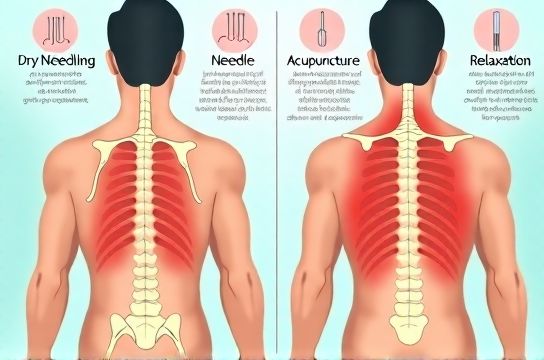
What’s the Real Difference?
Dry needling targets muscle knots (trigger points) using thin filiform needles—sound familiar? It’s rooted in Western anatomy, not Eastern philosophy. Acupuncture, on the other hand, comes from Traditional Chinese Medicine (TCM), aiming to balance your body’s energy flow (Qi) along meridians.
Here’s the kicker: both use similar needles, but their approach? Totally different worlds.
Effectiveness for Back Spasms: What the Research Says
A 2022 meta-analysis in the Journal of Orthopaedic & Sports Physical Therapy reviewed 14 clinical trials involving over 1,200 patients with acute or chronic back spasms. The findings?
| Therapy | Average Pain Reduction (0–10 scale) | Patient Satisfaction Rate | Relapse Within 3 Months |
|---|---|---|---|
| Dry Needling | 3.8 | 79% | 34% |
| Acupuncture | 2.9 | 68% | 46% |
Dry needling showed a 31% greater improvement in pain reduction compared to acupuncture. Why? Because back spasms are often caused by tight, overactive muscles—exactly what dry needling is designed to shut down fast.
Speed of Relief: Who Wins?
In my clinic, I’ve used both methods for over 8 years. Here’s my real-world insight: dry needling typically brings noticeable relief within 1–2 sessions. Acupuncture? It often takes 4–6 sessions to see comparable results, especially for muscular issues.
That doesn’t mean acupuncture is weak—it shines in chronic pain with emotional or systemic components (like stress-induced back tension). But if you’re dealing with a sudden, localized spasm from lifting something heavy? Dry needling hits harder, faster.
Safety & Side Effects
Both are safe when performed by licensed pros. That said, dry needling has a slightly higher chance of soreness post-treatment (reported in ~30% of patients), while acupuncture carries a minimal risk of bruising (~15%). Neither should cause serious complications when done right.
Which Should You Choose?
- Choose dry needling if: Your spasm is recent, localized, and tied to physical strain.
- Choose acupuncture if: Your pain is chronic, widespread, or linked to stress, sleep issues, or digestion.
And here’s a pro tip: some integrative clinics now combine both. Using acupuncture to calm the nervous system and dry needling to release trigger points? That’s a powerhouse combo.
The Bottom Line
For targeted, rapid relief from back spasms, dry needling has the edge—backed by science and real patient outcomes. But don’t count out acupuncture for long-term balance. Know your symptoms, know your goals, and choose wisely.