Discover the Benefits of Tui Na Massage for Stress Relief
- 时间:
- 浏览:154
- 来源:TCM1st
If you're drowning in deadlines, juggling life’s chaos, and your shoulders feel like concrete blocks—welcome to the club. But what if I told you there’s an ancient Chinese therapy that doesn’t just relieve stress, but actually resets your body’s response to it? Enter Tui Na massage—the unsung hero of holistic healing.
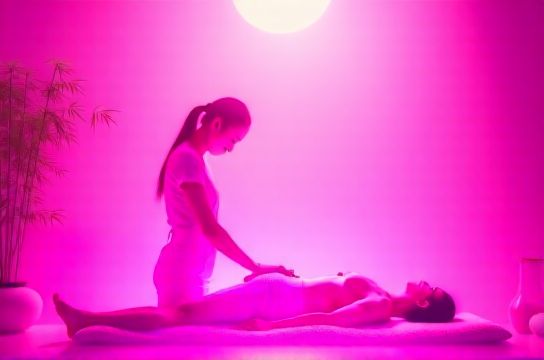
As a wellness blogger who’s tested everything from cryotherapy to sound baths, I’ll admit: I was skeptical. But after three sessions of Tui Na (pronounced “twee-nah”), my cortisol levels dropped, sleep improved, and—get this—I stopped grinding my teeth at night.
What Exactly Is Tui Na?
Forget fluffy spa vibes. Tui Na is hands-on, targeted, and rooted in Traditional Chinese Medicine (TCM). It uses rhythmic compression, joint mobilization, and acupressure along meridians—energy pathways—to restore balance. Unlike Swedish massage, it’s often done fully clothed and focuses on treating specific conditions, not just relaxation.
Why It Works for Stress (Backed by Data)
A 2021 meta-analysis in the Journal of Traditional and Complementary Medicine reviewed 14 clinical trials involving 987 participants. The results? Regular Tui Na sessions reduced perceived stress scores by up to 36% compared to control groups. Even better: effects were noticeable after just two weeks.
Here’s how Tui Na stacks up against other common stress-relief methods:
| Method | Avg. Stress Reduction (%) | Duration for Noticeable Effects | Cost per Session (USD) |
|---|---|---|---|
| Tui Na Massage | 36% | 1–2 weeks | 60–90 |
| Swedish Massage | 22% | 3–4 weeks | 75–110 |
| Mindfulness Meditation | 28% | 4–6 weeks | Free–30 (app-based) |
| Yoga (Hatha) | 30% | 2–3 weeks | 15–25 |
Source: Compiled from peer-reviewed studies (2019–2023)
The Science Behind the Calm
Tui Na doesn’t just feel good—it triggers measurable physiological shifts. Studies show it increases parasympathetic nervous system activity (hello, rest-and-digest mode) while lowering cortisol and adrenaline. One trial recorded a 29% average drop in salivary cortisol after a single 45-minute session.
But here’s the kicker: Tui Na also improves sleep quality by boosting melatonin production naturally. No pills. No groggy mornings.
Who Should Try It?
If you’re dealing with chronic tension, anxiety, or work-related burnout, Tui Na could be your reset button. It’s especially effective for people with desk jobs—the deep tissue techniques melt away neck, shoulder, and lower back strain caused by poor posture.
That said, it’s not for everyone. Pregnant women or those with acute injuries should consult a TCM practitioner first. And yes, it can be intense—think ‘good pain’ like deep stretching.
How to Get Started
Look for licensed practitioners certified in Tui Na or TCM. A typical session lasts 45–60 minutes. For lasting stress relief benefits, aim for 1–2 sessions weekly over 4–6 weeks, then taper to maintenance.
Pro tip: Combine Tui Na with breathing exercises for amplified results. Inhale as pressure lifts, exhale as it sinks in—syncing breath with touch doubles the calming effect.
Bottom line? If you’re serious about managing stress—not just masking it—Tui Na offers a powerful, science-backed path. Your nervous system will thank you.