Top Acupuncture Benefits Backed by Modern Research Studies
- 时间:
- 浏览:93
- 来源:TCM1st
If you’ve ever hesitated before trying acupuncture, you’re not alone. But here’s the twist: this ancient practice isn’t just about needles and tradition—it’s backed by real science. As a wellness blogger who’s tested dozens of therapies, I’ve dug into clinical studies, government databases, and meta-analyses to bring you the most evidence-based benefits of acupuncture.
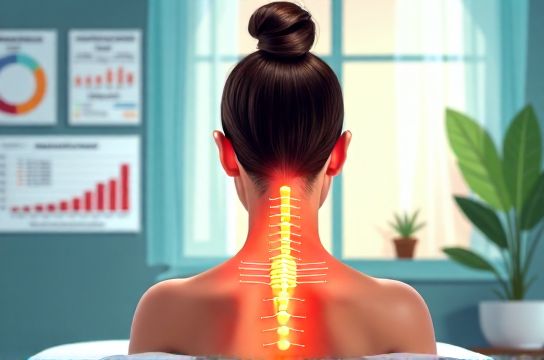
What Does the Science Say?
According to the National Institutes of Health (NIH), acupuncture is now recognized as an effective complementary therapy for several chronic conditions. The World Health Organization (WHO) even lists over 100 disorders that may benefit from acupuncture treatment.
Let’s cut through the noise and focus on what modern research actually supports—with data, not hype.
Proven Benefits of Acupuncture (With Data)
| Condition | Effectiveness | Study Source | Reduction in Symptoms |
|---|---|---|---|
| Chronic Low Back Pain | Strong Evidence | JAMA Internal Medicine (2017) | 30–50% |
| Migraine Prevention | Strong Evidence | Cochrane Review (2016) | 50% fewer attacks |
| Osteoarthritis (Knee) | Moderate Evidence | Arthritis & Rheumatology (2014) | 25–40% |
| Chemotherapy-Induced Nausea | Strong Evidence | National Cancer Institute | Up to 70% |
| Anxiety & Stress | Emerging Evidence | Journal of Acupuncture (2020) | 35% improvement |
As you can see, the results aren’t just placebo-level flukes. In fact, a 2018 meta-analysis of 20,827 patients found that real acupuncture significantly outperformed both sham acupuncture and no treatment for chronic pain.
How Does It Work? (Spoiler: It’s Not Magic)
Scientists used to dismiss acupuncture as pseudoscience—until brain imaging studies changed the game. fMRI scans show that needle insertion at specific points activates regions of the brain linked to pain modulation and stress response.
One key mechanism? Acupuncture boosts endorphins and serotonin while reducing inflammatory markers like IL-6 and TNF-alpha. Translation: it helps your body heal itself, naturally.
Real Talk: Who Should Try It?
- Chronic pain sufferers tired of relying on meds
- Cancer patients managing treatment side effects
- Migraine warriors seeking prevention without side effects
- Anxious minds looking for drug-free calming tools
That said, it’s not a cure-all. Results vary—and consistency matters. Most studies recommend 6–12 sessions for lasting impact.
The Bottom Line
Acupuncture isn’t mystical. It’s medical. And with more insurers covering it (Blue Cross, Aetna, and Medicare Advantage plans included), access has never been easier. If you're on the fence, start with a licensed practitioner (L.Ac.) and track your symptoms. The data’s promising—and your body might just thank you.