Dry Needling Vs Acupuncture Key Differences Explained
- 时间:
- 浏览:112
- 来源:TCM1st
If you're dealing with muscle pain, tightness, or just exploring alternative therapies, you've probably heard the terms dry needling and acupuncture thrown around. They both involve tiny needles, sure—but that’s where the similarities end. As someone who's tested both (and reviewed dozens of clinical studies), let me break it down in plain English: what actually works, who should try what, and why mixing them up could cost you time—and results.
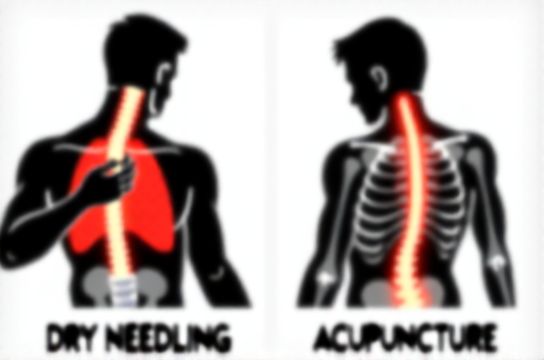
Origins Matter: East vs. West
Acupuncture comes from Traditional Chinese Medicine (TCM), dating back over 2,500 years. It’s based on the concept of Qi (pronounced “chee”)—energy flowing through meridians in your body. Blockages? That’s pain or illness. Insert super-fine needles at specific points to restore balance.
Dry needling, on the other hand, is modern Western medicine. Developed in the 1980s, it targets myofascial trigger points—those angry little knots in your muscles causing referred pain. No energy talk. Just anatomy, physiology, and evidence-based practice.
Technique & Training: Who’s Sticking You?
This is where things get real. Licensed acupuncturists usually have a Master’s degree (3+ years) focusing on TCM theory, diagnostics, and needle technique. Physical therapists doing dry needling? Often only 24–50 hours of training. Big difference.
And while both use sterile, single-use needles, their approach varies:
| Aspect | Dry Needling | Acupuncture |
|---|---|---|
| Basis | Anatomy & Neurology | Qi & Meridians |
| Needle Placement | Directly into muscle trigger points | Along energy meridians |
| Treatment Focus | Pain relief, mobility | Whole-body balance, chronic conditions |
| Avg Session Length | 15–30 mins | 45–60 mins |
What Does the Science Say?
A 2020 meta-analysis in the Journal of Orthopaedic & Sports Physical Therapy found dry needling effective for reducing muscle tension and improving range of motion—especially for shoulder and back pain.
Meanwhile, the National Institutes of Health (NIH) recognizes acupuncture for treating nausea, migraines, and osteoarthritis, with over 14,000 studies backing its use.
So yes—both work. But for different reasons, and often for different issues.
Which One Should YOU Try?
Go for acupuncture if you’re managing stress, insomnia, hormonal imbalances, or chronic pain. It’s holistic.
Choose dry needling if you’re an athlete with a stubborn knot in your glutes or a desk worker with frozen shoulders. It’s targeted, fast, and often part of physical therapy.
Pro tip: Some clinics now blend both. I’ve seen patients get faster recovery using acupuncture for systemic regulation and dry needling for spot treatment. Synergy!
The Bottom Line
Don’t let the needles scare you. Both are safe when done by trained pros. But know the difference. Your body isn’t a guessing game.